Tabbouleh Salad

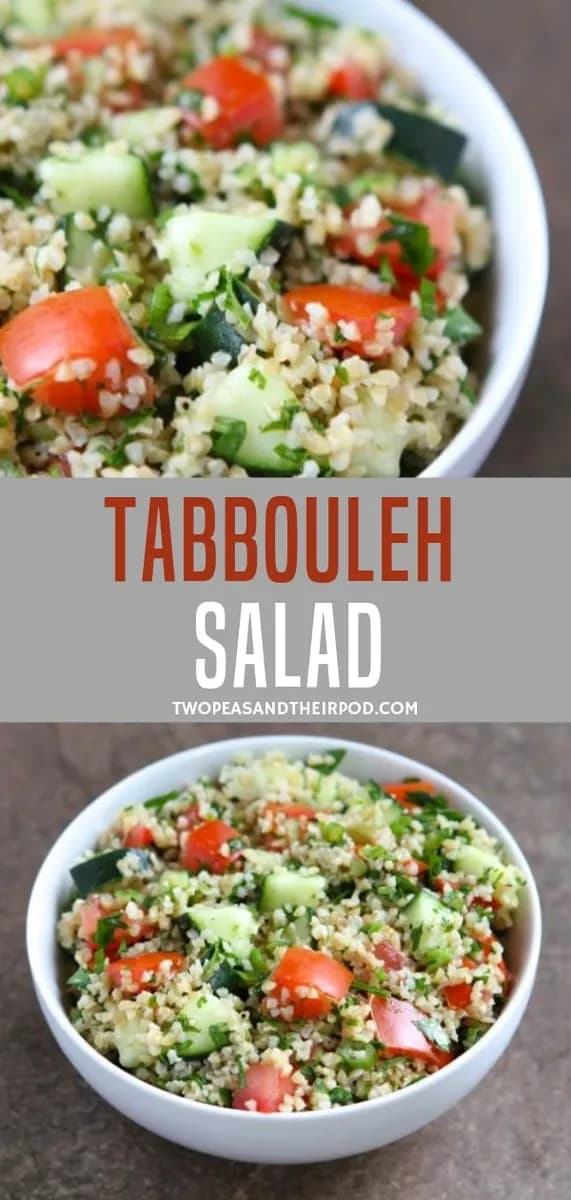
Learn how to make authentic Tabbouleh Salad with bulgur, herbs, and lemon dressing. This easy Middle Eastern side is ready in 30 minutes. Get the recipe!
Before you go, Egg Salad and Green Salad are worth a click.
Why This Tabbouleh Salad Works So Well
I’ve been making this Tabbouleh Salad all summer long, and it’s become my go-to side for every barbecue and potluck. The mint and parsley in my garden have been growing like crazy, so I’ve had plenty of excuses to whip up a batch. It’s a classic Middle Eastern salad that’s light, refreshing, and surprisingly easy to put together. You just soak the bulgur wheat in hot water, stir in chopped tomatoes, cucumber, scallions, and loads of fresh herbs, then dress it with lemon juice and olive oil. A little salt and pepper is all it needs. Every time I bring it to a gathering, people ask for the recipe.
Why You’ll Love This Easy Tabbouleh Recipe
- The bulgur wheat absorbs the lemon-olive oil dressing as it sits, deepening the flavor over time and making it perfect for making ahead.
- No cooking required beyond boiling water. While the bulgur soaks, you chop the vegetables and herbs, and the salad is ready in about 30 minutes.
- The generous amount of fresh parsley and mint gives this salad a bright, herbaceous punch that cuts through rich grilled meats or creamy dips.
Key Ingredients for Authentic Tabbouleh Salad
- Bulgur wheat: Medium-grain bulgur gives the salad its signature chewy texture. You can find it in the bulk section or near the rice and grains at most grocery stores. If you only have fine-grain, reduce the soaking time to 15-20 minutes.
- Fresh parsley and mint: These herbs are the heart of the salad. Use flat-leaf parsley for a milder, less bitter flavor. The mint should be fresh and fragrant; avoid dried mint as it won’t provide the same brightness.
- Lemons: Fresh lemon juice is non-negotiable. Bottled juice lacks the bright, acidic punch that makes this dressing sing. Roll the lemons on the counter before juicing to get the most juice out of them.
Kitchen Tools for Making Tabbouleh Salad
- Large mixing bowl for soaking the bulgur and mixing the salad
- Small bowl for whisking the dressing
- Chef’s knife and cutting board for chopping vegetables and herbs
- Measuring cups and spoons
- Citrus juicer or reamer (optional but helpful)
Tips for Making the Best Tabbouleh Salad
The key to fluffy, not mushy, bulgur is to use boiling water and let it sit undisturbed for the full 30 minutes. Don’t stir it while it’s soaking; just pour the water over, cover the bowl, and walk away. If you’re short on time, you can use fine-grain bulgur (sometimes called #1 bulgur) which absorbs water faster, but the texture will be softer.
For the best flavor, use the freshest parsley and mint you can find. Flat-leaf parsley works better than curly because it’s less bitter. Chop the herbs finely, but not so fine that they turn into a paste. A sharp chef’s knife makes quick work of it. Whisk the lemon juice and olive oil together before adding the garlic so the garlic distributes evenly. Let the dressed bulgur cool slightly before adding the vegetables to keep them crisp.
Tabbouleh Salad Variations to Try
You can add diced bell pepper or radish for extra crunch. For a protein boost, stir in some cooked chickpeas or crumbled feta cheese. If you prefer a gluten-free version, substitute the bulgur with quinoa. Cook it according to package directions and let it cool before mixing. For a more traditional Lebanese-style tabbouleh, use less bulgur and more parsley, making it more of an herb salad.
What to Serve with Tabbouleh Salad
This salad is a natural side for grilled meats like chicken kebabs, lamb chops, or beef kofta. It also pairs well with falafel, hummus, and warm pita bread for a vegetarian spread. For a light lunch, serve it on a bed of greens with a dollop of Greek yogurt or labneh on the side.
How to Store Leftover Tabbouleh Salad
Store any leftover tabbouleh in an airtight container in the refrigerator for up to 3 days. The flavors will meld and deepen as it sits, but the herbs may lose some brightness. Give it a stir and a squeeze of fresh lemon juice before serving to revive it.
Tabbouleh Salad FAQs
What type of bulgur wheat should I use for tabbouleh?
Medium-grain bulgur (often labeled #2 or #3) works best for this recipe. It has a chewy texture that holds up well after soaking. Fine-grain bulgur (#1) will absorb water faster and become softer, which can lead to a mushy salad. Coarse bulgur (#4) takes longer to soften and may remain too crunchy. Stick with medium for the ideal balance.
Can I make tabbouleh salad ahead of time?
Yes, you can make it a few hours ahead or even the day before. The flavors actually improve as the bulgur absorbs the dressing. However, the fresh herbs will start to wilt after a day. If making ahead, consider adding the herbs just before serving. Store the dressed bulgur and vegetables separately from the herbs, then combine them when you’re ready to serve.
How do I keep the herbs from wilting in tabbouleh?
The key is to add the herbs right before serving if you’re not eating it immediately. If you need to prep ahead, chop the parsley and mint and store them in a damp paper towel inside a sealed bag in the fridge. When you’re ready to serve, stir them into the salad. Also, don’t overdress the salad; the lemon juice can cause the herbs to break down faster.
Is tabbouleh gluten-free?
Traditional tabbouleh is made with bulgur wheat, which contains gluten. If you need a gluten-free version, substitute the bulgur with cooked quinoa or finely chopped cauliflower rice. Both options mimic the texture well. Just make sure to cool them completely before mixing with the other ingredients and dressing.
Can I use dried herbs instead of fresh?
Fresh parsley and mint are essential for authentic tabbouleh. Dried herbs won’t provide the same bright, vibrant flavor or the pleasant texture. The salad relies on the volume of fresh herbs to give it its characteristic look and taste. If you’re in a pinch, you could use a small amount of dried mint, but the result will be noticeably different.
Why is my tabbouleh mushy?
Mushy tabbouleh usually comes from using too much water or soaking the bulgur too long. Make sure to use exactly 1 cup of boiling water for 1 cup of bulgur and let it sit for 30 minutes, no longer. Also, avoid stirring the bulgur while it soaks. If you used fine-grain bulgur, it will absorb water faster and become softer, so reduce the soaking time to 15-20 minutes.
Recipe
Tabbouleh Salad
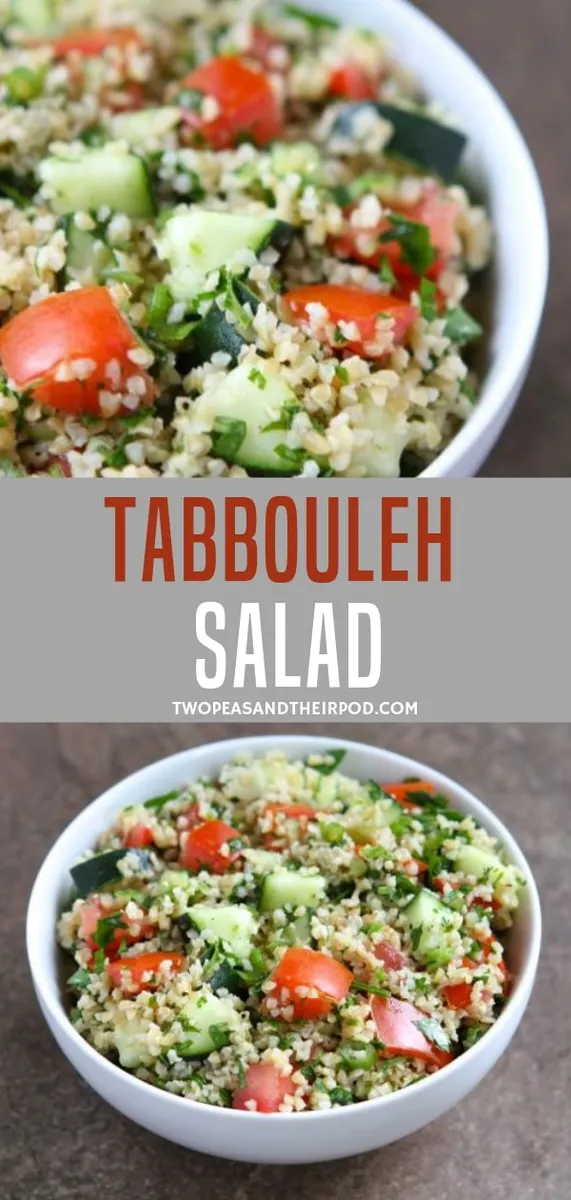
A classic Middle Eastern Salad made with bulgur wheat, tomatoes, cucumbers, fresh herbs, and a light lemon-olive oil dressing.
Ingredients
- 1 cup bulgur wheat
- 1 cup water
- 0.5 tsp salt
- 3 tbsp fresh lemon juice
- 0.25 cup olive oil
- 1 clove garlic, finely minced
- 0.333 cup scallions, sliced
- 2 cup tomatoes, chopped
- 1.5 cup cucumbers, chopped
- 1 cup fresh parsley, chopped
- 0.5 cup fresh mint, chopped
- to taste salt
- to taste fresh ground black pepper, fresh ground
Instructions
- 1
Place the bulgur wheat in a large bowl. Bring the water to a boil and stir in the salt. Pour the water over the bulgur. Let it sit for 30 minutes, or until all of the water is absorbed.
- 2
While the bulgur is soaking, whisk together the lemon juice and olive oil in a small bowl. Add in the minced garlic and whisk again. Pour the dressing over the bulgur and stir.
- 3
Add in the scallions, tomatoes, cucumbers, parsley, and mint. Stir until combined. Season with salt and pepper, to taste.
Nutrition (per serving)
Calorie breakdown
How this was calculated — 13 of 13 ingredients matched
Nutrition information is automatically calculated from USDA FoodData Central, so should only be used as an approximation. Actual values may vary depending on the ingredients, brands, and preparation methods used.
Open in analyzerKeyword: dairyFree, healthy, No-Cook, nutFree, vegan, vegetarian
This post may contain affiliate links. Read our disclosure policy.
Share this recipe
You Might Also Like
View All →

About the Author
NutriforksNutriForks is a home-cooking site built around two simple ideas: recipes should actually work, and you should know what’s in them. Every recipe pairs clear, tested instructions with a full nutrition breakdown, so healthy, everyday cooking is genuinely easy.