Spring Vegetable Stir Fry with Lemon Ginger Sauce

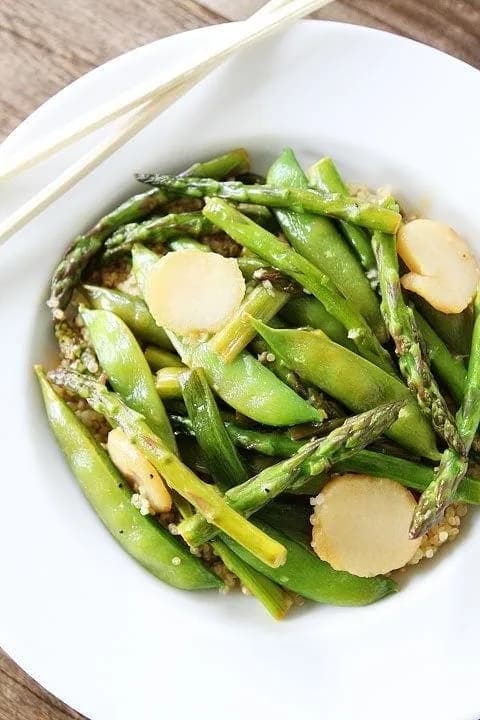
This spring vegetable stir fry with lemon ginger sauce is a quick, healthy dinner loaded with asparagus and snap peas. Ready in 20 minutes, it’s naturally vegan and glute
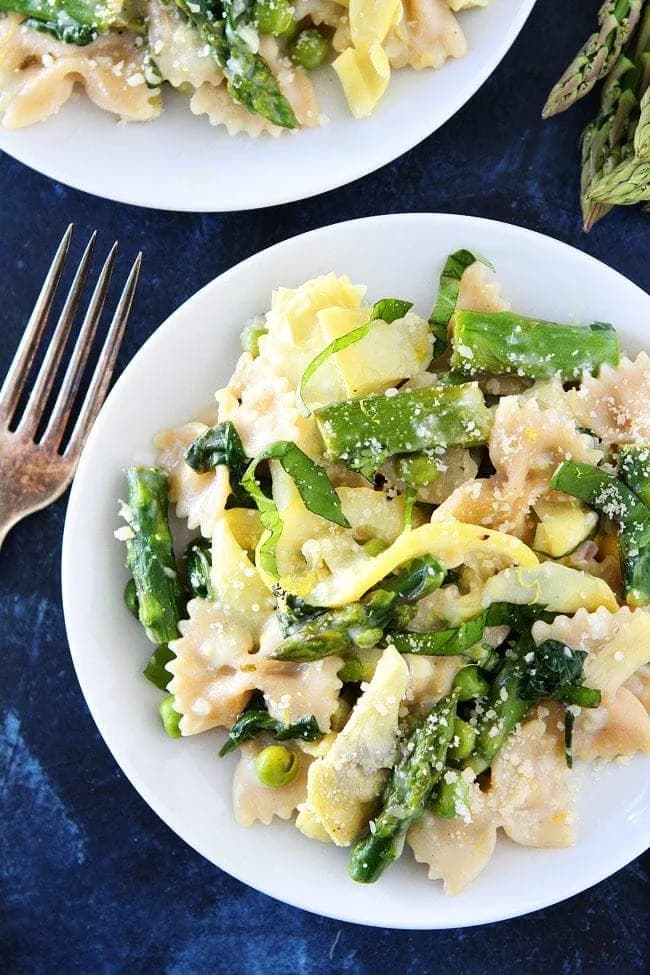
Here’s what to make next: Creamy Lemon Spring Vegetable Pasta, Chickpea Vegetable Stir Fry, and Cauliflower Steaks with Ginger-Soy Sauce.
Why This Spring Vegetable Stir Fry with Lemon Ginger Sauce Works So Well
This spring vegetable stir fry with lemon ginger sauce came together one evening when I needed a quick, healthy dinner. The sauce is bright and tangy from fresh lemon juice and ginger, and the vegetables stay crisp after just five minutes in the hot pan. It’s the kind of meal that makes you feel good without spending hours in the kitchen.
Reasons to Make This Healthy Stir Fry
- The sauce thickens as it cools, coating each vegetable in a glossy, flavorful layer without any heavy cream or oil.
- It’s naturally vegan and can be gluten-free if you use tamari instead of soy sauce, so almost anyone can enjoy it.
- You get a full serving of spring vegetables in one pan, and the whole dish comes together in under 20 minutes.
Key Ingredients for This Asparagus Stir Fry
- Asparagus: Look for firm, bright green spears with tight tips. Snap off the woody ends before slicing into 2-inch pieces. If the spears are thick, you can peel the lower half for a more tender bite.
- Sugar snap peas: Choose pods that are bright green and feel crisp. They don’t need much prep, just trim the stem end and remove the string if it’s tough. They cook quickly and stay crunchy.
- Tamari or soy sauce: Tamari is naturally gluten-free and has a slightly richer flavor than regular soy sauce. If you use soy sauce, check the label for gluten if that’s a concern. Both work well here.
Kitchen Tools for This Quick Stir Fry
- Large skillet or wok, a wok’s high sides and even heat distribution are ideal for stir frying, but a large skillet works too.
- Small mixing bowl for the sauce
- Whisk or fork to combine the sauce ingredients
- Chef’s knife and cutting board for prepping vegetables
Tips for Making the Best Spring Vegetable Stir Fry
Whisk the cornstarch into the sauce until no lumps remain before you start cooking. If you add it too late, the sauce won’t thicken evenly. Cook the vegetables over high heat and keep them moving in the pan. You want them tender but still bright green and crisp. The sauce will continue to thicken as the stir fry sits, so don’t worry if it looks thin at first.
Techniques for a Perfect Lemon Ginger Sauce Stir Fry
The key to a good stir fry is high heat and a hot pan. Let the olive oil heat until it shimmers before adding the vegetables. This sears them quickly and keeps their texture. For the sauce, fresh ginger and lemon juice make a big difference. Bottled ginger lacks the same punch, and bottled lemon juice can taste flat. Grate the ginger on a microplane so it melts into the sauce.
Easy Variations for This Vegan Stir Fry
To add protein, toss in cubed extra-firm tofu or shelled edamame along with the vegetables. For a non-vegan version, thinly sliced chicken breast or shrimp work well. You can swap the asparagus for broccoli florets or snow peas if that’s what you have. If you like more heat, stir in a teaspoon of sriracha or a pinch of red pepper flakes with the sauce. For a milder flavor, reduce the ginger to half a teaspoon.
What to Serve with This Asparagus and Snap Peas Stir Fry
Serve this stir fry over steamed jasmine rice or fluffy quinoa to soak up the extra sauce. A sprinkle of toasted sesame seeds or a few red pepper flakes adds a nice finish. If you want a heartier meal, pair it with a simple side of steamed edamame or a crisp green salad with a light vinaigrette.
How to Store Leftover Spring Vegetable Stir Fry
Store leftover stir fry in an airtight container in the refrigerator for up to 4 days. The sauce will thicken further as it cools, so when you reheat it, add a tablespoon of water or vegetable broth to loosen it back up.
Can You Freeze This Gluten Free Stir Fry?
You can freeze this stir fry for up to 2 months. Let it cool completely, then transfer to a freezer-safe container. Thaw overnight in the refrigerator before reheating. The vegetables will lose some of their original crispness, but the flavor stays bright.
Best Ways to Reheat This Lemon Ginger Stir Fry
The best way to reheat is in a skillet over medium heat. Add a splash of water or broth and stir until the sauce loosens and the vegetables are hot. The microwave works too, but it will make the vegetables softer. Heat in 30-second bursts, stirring in between.
Spring Vegetable Stir Fry with Lemon Ginger Sauce FAQs
Can I use frozen vegetables for this stir fry?
Fresh vegetables work best because they stay crisp. Frozen ones will release more water and make the sauce thinner. If you only have frozen, thaw and pat them dry first, then reduce the cooking time by a minute or two.
Is this recipe gluten-free?
It can be. Use tamari instead of regular soy sauce. Tamari is naturally gluten-free and has a similar flavor. Check the label on your tamari to be sure, as some brands may contain wheat.
Can I make the lemon ginger sauce ahead of time?
Yes, you can whisk the sauce ingredients together up to a day in advance. Store it in the refrigerator. Give it a good stir before using, as the cornstarch will settle at the bottom.
How do I prevent the sauce from becoming lumpy?
Whisk the cornstarch into the cold liquid ingredients until fully dissolved before heating. If you add cornstarch directly to a hot pan, it will clump. A small whisk or fork works well to break up any lumps.
Can I add a protein like chicken or tofu?
Absolutely. For tofu, press and cube it, then pan-fry separately before adding to the stir fry. For chicken, slice thinly and cook in the pan first, then remove and add back with the vegetables. Adjust cooking times as needed.
What can I use instead of tamari?
Soy sauce is the direct substitute. For a lower-sodium option, use low-sodium soy sauce. Coconut aminos also work, though they are slightly sweeter. The sauce will still taste good with any of these swaps.
Recipe
Spring Vegetable Stir Fry with Lemon Ginger Sauce

Spring Vegetable Stir Fry with Lemon Ginger Sauce-this simple and healthy stir fry is loaded with spring green vegetables. The lemon ginger sauce is light and refreshing! This dish is a must make for spring!
Ingredients
sauce
- 0.5 cup low sodium vegetable broth
- 2 tbsp tamari sauce or soy sauce
- 2 tbsp water
- 1 tsp sesame oil
- 4 tbsp fresh lemon juice
- 1 tsp fresh grated ginger
- 4 cloves garlic, minced
- 2 tsp cornstarch
- 1 tbsp olive oil
- 1 bunch asparagus, ends trimmed, cut into 2-inch pieces
- 2 cup sugar snap peas
- 4 green onions, cut into 2-inch pieces
- 1 can water chestnuts, drained
- to taste salt and black pepper
- quinoa or rice, for serving, optional
Instructions
- 1
First, make the Lemon Ginger sauce. In a small bowl, whisk together broth, Tamari , water, sesame oil, lemon juice, ginger, and garlic. Whisk in the cornstarch, making sure there are no lumps.
- 2
In a large skillet or wok, heat the olive oil over high heat. Add in the asparagus, peas, green onions, and water chestnuts. Pour the sauce over the vegetables and stir fry until the vegetables are tender, but still crisp, about 5 minutes. Season with salt and black pepper, to taste. The sauce will thicken as the stir fry cools.
- 3
Serve the stir fry over quinoa or rice, if desired.
Nutrition (per serving)
Calorie breakdown
How this was calculated — 15 of 15 ingredients matched
Nutrition information is automatically calculated from USDA FoodData Central, so should only be used as an approximation. Actual values may vary depending on the ingredients, brands, and preparation methods used.
Open in analyzerKeyword: dairyFree, gluten-free, glutenFree, main dish, nutFree, Skillet, spring, vegan, vegetarian
This post may contain affiliate links. Read our disclosure policy.
Share this recipe
You Might Also Like
View All →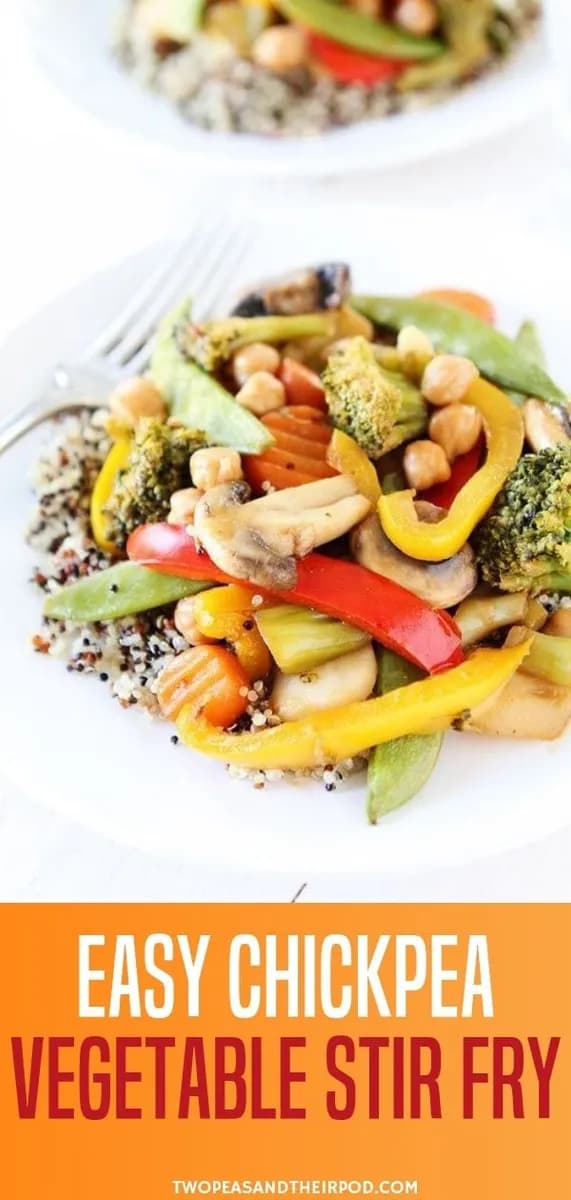




About the Author
NutriforksNutriForks is a home-cooking site built around two simple ideas: recipes should actually work, and you should know what’s in them. Every recipe pairs clear, tested instructions with a full nutrition breakdown, so healthy, everyday cooking is genuinely easy.