Tomato Feta Salad

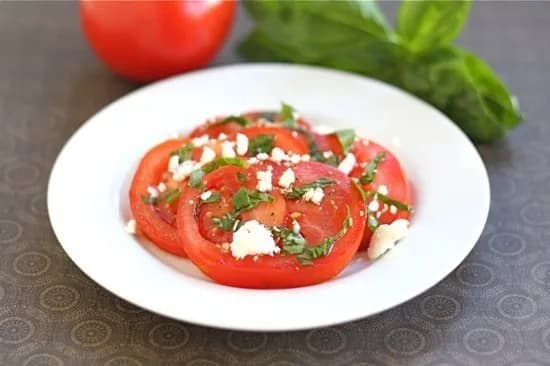
This easy tomato feta salad is a simple summer side dish with fresh tomatoes, basil, and tangy feta. Ready in 10 minutes, it’s the perfect no-cook recipe for grilling or
Gluten-free pairs well with Spinach Salad with Fruit, Almonds, and Feta Cheese and Tomato Salad too.
Why This Tomato Feta Salad Is My Go-To Quick Salad
This tomato feta salad is the kind of easy summer side dish that proves you don’t need a stove to eat well. I’m Josh, the other half of Two Peas and Their Pod. I usually stay behind the scenes, but this simple summer salad is too good not to share. We’re in the middle of a kitchen remodel, I’m doing the demolition myself, so we’ve been keeping meals quick and no-cook. This tomato basil salad comes together in 10 minutes with just four ingredients. Fresh garden tomatoes, fragrant basil, tangy feta, and a splash of balsamic vinegar. That’s it. I could eat this every day. It’s the perfect grilling side dish for burgers or steak, but honestly, it’s satisfying enough on its own. Make it for your next cookout, you’ll see.
Why This Tomato Feta Salad Works
- Only four ingredients and 10 minutes to make. This fresh tomato salad is the definition of a quick salad recipe.
- The combination of juicy tomatoes, creamy feta, and tangy balsamic is a classic that never gets old. It’s a feta cheese salad that works as a side or a light lunch.
- No cooking required, so it’s perfect for hot summer days when you don’t want to turn on the oven. It’s also a great grilling side dish because it comes together while the meat rests.
Key Ingredients for a Fresh Tomato Feta Salad
- Tomatoes: Choose ripe, in-season tomatoes like heirloom or vine-ripened. They should be fragrant and heavy for their size. Avoid refrigerated tomatoes, they lose flavor.
- Feta cheese: Buy a block of feta packed in brine. It’s creamier and more flavorful than pre-crumbled. Drain and pat dry before crumbling.
- Balsamic vinegar: Use a good-quality aged balsamic. It should be thick and slightly sweet. A cheap vinegar can be too sharp.
Simple Tips for the Best Tomato Feta Salad
For the best flavor, use ripe, in-season tomatoes. They should be fragrant and slightly soft to the touch. Slice them about 1/4-inch thick, not too thin or they’ll get lost under the feta. If you can, buy a block of feta and crumble it yourself. Pre-crumbled feta is drier and less creamy. Season with salt and pepper at the end, not before, because feta is already salty. Let the salad sit for 5 minutes before serving so the flavors meld.
How to Pick the Best Tomatoes for This Salad
Since this salad relies on the quality of the tomatoes, picking the right ones matters. Look for tomatoes that are firm but yield slightly to gentle pressure. They should smell fruity and earthy at the stem end. Avoid any with soft spots or cracks. Heirloom varieties offer the most flavor, but any ripe garden tomato works. Never store tomatoes in the fridge before using, cold kills their flavor and texture. Keep them at room temperature until you’re ready to slice.
Easy Variations for Tomato Feta Salad
Swap the feta for goat cheese or fresh mozzarella for a different creamy texture. Add cucumber, bell pepper, or red onion for extra crunch. For a protein boost, top with grilled shrimp or shredded rotisserie chicken. You can also drizzle a little extra-virgin olive oil along with the balsamic for a richer dressing. If you like heat, add a pinch of red pepper flakes.
What to Serve with Tomato Feta Salad
Serve this tomato feta salad alongside grilled chicken, steak, or fish. It also pairs well with crusty bread to soak up the balsamic juices. For a heartier meal, add a handful of olives or sliced red onion. If you’re hosting a barbecue, this salad is a refreshing counterpoint to smoky meats.
How to Store Leftover Tomato Feta Salad
This salad is best eaten within a few hours of making it. The tomatoes release liquid as they sit, which can make the salad watery. If you have leftovers, store them in an airtight container in the fridge for up to 2 days. The texture won’t be as crisp, but the flavor will still be good. Give it a stir before serving and add a fresh sprinkle of basil if you have it.
Tomato Feta Salad FAQs
Can I use cherry tomatoes instead of large tomatoes?
Yes, cherry or grape tomatoes work well. Just halve them so they’re bite-sized. You may need a few more to equal the volume of 4 large tomatoes.
Can I make this salad ahead of time?
It’s best made fresh, but you can prep the components. Slice the tomatoes and crumble the feta separately, then combine and dress just before serving. The basil should be added at the last minute to keep it from wilting.
What type of feta cheese is best?
A block of feta packed in brine is ideal. It’s creamier and more flavorful than pre-crumbled feta. Drain it, pat it dry, then crumble it yourself.
Can I use dried basil instead of fresh?
Fresh basil is strongly recommended for this salad. Dried basil won’t provide the same bright, aromatic flavor. If you must substitute, use a small amount of dried oregano or skip the herb altogether.
Recipe
Tomato Feta Salad

A simple summer salad with fresh tomatoes, basil, balsamic vinegar, and feta cheese.
Ingredients
- 4 tomatoes, sliced
- 3 tbsp balsamic vinegar
- 8 basil leaves, chopped
- 0.333 cup feta cheese
Instructions
- 1
Place the sliced tomatoes on a platter or plate. Drizzle tomatoes with balsamic vinegar. Sprinkle the chopped basil over the tomatoes. Crumble feta cheese over tomato salad. Season with salt and pepper, to taste.
Nutrition (per serving)
Calorie breakdown
How this was calculated — 4 of 4 ingredients matched
Nutrition information is automatically calculated from USDA FoodData Central, so should only be used as an approximation. Actual values may vary depending on the ingredients, brands, and preparation methods used.
Open in analyzerKeyword: budget-friendly, gluten-free, glutenFree, No-Cook, nutFree, summer, vegetarian
This post may contain affiliate links. Read our disclosure policy.
Share this recipe
You Might Also Like
View All →


About the Author
NutriforksNutriForks is a home-cooking site built around two simple ideas: recipes should actually work, and you should know what’s in them. Every recipe pairs clear, tested instructions with a full nutrition breakdown, so healthy, everyday cooking is genuinely easy.