Roasted Vegetables

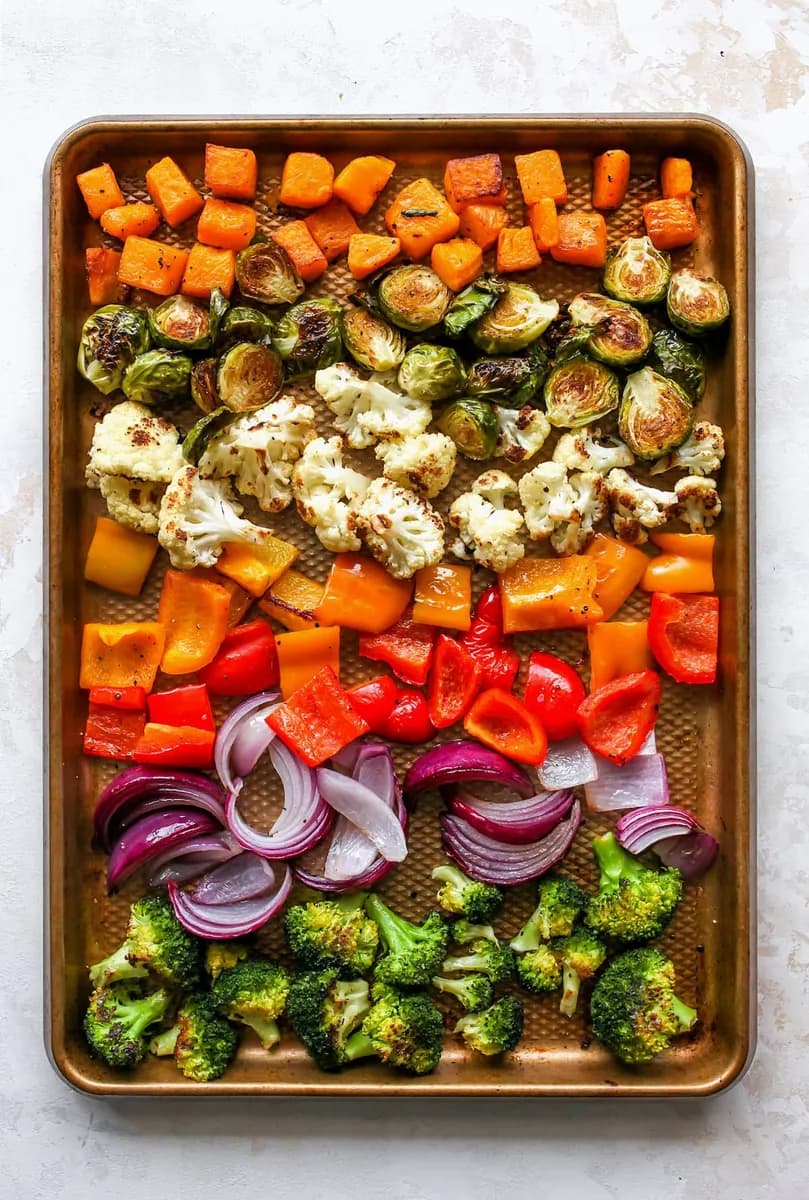
Learn how to make the best roasted vegetables with this easy recipe. Get crispy, caramelized veggies every time with simple tips and seasoning ideas. Try it!
These come up often alongside this one: Peaches ‘n Cream Muffins or Chocolate Zucchini Snack Cake.
Why This Roasted Vegetables Method Works So Well
Roasted vegetables are my go-to side because they’re forgiving and versatile. I love how a hot oven coaxes natural sweetness out of almost any vegetable. The trick is to not overcrowd the pan, give each piece room to caramelize, and you’ll get tender centers with crispy edges every time.
Why You’ll Love This Easy Roasted Vegetable Recipe
- Simple, hands-off cooking. Just toss veggies with oil and salt, spread on a sheet pan, and roast. The oven does the work while you prep the rest of the meal.
- Endlessly adaptable. Change up the seasoning to match any cuisine, try garlic and herbs, curry powder, or a splash of balsamic vinegar before serving.
- Perfect for meal prep. Roast a big batch and use the vegetables throughout the week in salads, grain bowls, wraps, or as a quick side.
Key Ingredients for the Best Roasted Vegetables
- Vegetables: Almost any vegetable works, but hard vegetables like carrots, potatoes, and broccoli hold up best. Cut them into uniform 1-inch pieces for even cooking. Softer vegetables like mushrooms and bell peppers can be left larger so they don’t overcook.
- Olive or avocado oil: Use an oil with a high smoke point to prevent burning. Olive oil adds flavor, while avocado oil is more neutral. Both work well at 425°F.
Kitchen Tools for Roasting Vegetables
- Large rimmed baking sheet, provides space for even roasting without overcrowding. Avoid casserole dishes with high sides that trap steam.
- Sharp chef’s knife, for cutting vegetables into uniform pieces.
- Aluminum foil or parchment paper, optional, but makes cleanup much easier.
Expert Tips for Perfect Roasted Vegetables Every Time
Start by washing and thoroughly drying your vegetables, any moisture will prevent browning. Cut them into uniform pieces so they cook at the same rate. Arrange them in a single layer on a large rimmed baking sheet lined with foil or parchment for easy cleanup.
Coat the vegetables generously with olive or avocado oil, using your hands to rub it in. Don’t skimp on oil or they’ll dry out. Season with salt and pepper, then spread them out so they’re not touching. Overcrowding leads to steaming instead of roasting.
Roast at 425°F, flipping halfway through for even browning. If you’re using two pans, switch their positions on the racks at the halfway mark. For mixed vegetables, start the ones that take longer (like potatoes or carrots) and add quicker-cooking ones (like broccoli or bell peppers) later so everything finishes together.
Pro Tips for Getting Extra-Crispy Roasted Vegetables
To maximize crispiness, preheat the baking sheet in the oven while it warms up. Adding cold vegetables to a hot pan gives an immediate sear. Also, make sure vegetables are completely dry before oiling, pat them with a clean towel after washing.
For the best browning, don’t crowd the pan. If you have a lot of vegetables, use two sheets instead of one. And don’t stir too often; let them roast in the hot oven for at least 20 minutes before tossing. The longer they sit, the better the caramelization.
Easy Variations for Roasted Vegetables
Change the flavor profile with different seasonings: try a Mediterranean blend with oregano, lemon zest, and olives; or go Asian with a drizzle of sesame oil, soy sauce, and a sprinkle of sesame seeds. For a spicier kick, add chili powder or red pepper flakes.
If you want a one-pan meal, toss in some chickpeas or tofu for protein, or swap in sweet potatoes and Brussels sprouts for a hearty side. You can also roast vegetables with sausages or chicken thighs on the same pan, just add the meat after the vegetables have been roasting for 10 minutes so everything finishes at the same time.
What to Serve with Roasted Vegetables
Roasted vegetables pair beautifully with almost any protein, try them alongside grilled chicken, steak, fish, or tofu. They also make a fantastic addition to grain bowls, salads, and pasta dishes. For a quick lunch, toss them with cooked quinoa and a simple vinaigrette, or pile them onto crusty bread with a spread of goat cheese.
If you’re looking for a complete meal, serve them with roasted chicken legs or salmon fillets. The vegetables can also be pureed into a creamy soup or blended into a dip.
How to Store Leftover Roasted Vegetables
Let the roasted vegetables cool completely, then transfer to an airtight container. They’ll keep in the fridge for up to a week. For best texture, line the container with a paper towel to absorb excess moisture, this helps keep the vegetables from getting soggy.
How to Freeze Roasted Vegetables
To freeze, spread cooled roasted vegetables in a single layer on a baking sheet and freeze until firm, about 1-2 hours. Then transfer them to a freezer-safe bag or container. They’ll keep for up to 3 months. When ready to use, reheat directly from frozen in a hot oven or air fryer until warmed through and crispy.
Best Ways to Reheat Roasted Vegetables
The best way to reheat roasted vegetables is in the oven or air fryer to restore their crispiness. Spread them on a baking sheet and bake at 400°F for 5-10 minutes, or until hot. You can also reheat in a skillet over medium-high heat with a splash of oil. Avoid the microwave, which will make them soft and soggy.
Frequently Asked Questions About Roasting Vegetables
Can I use frozen vegetables for roasting?
Yes, you can roast frozen vegetables without thawing first. Increase the roasting time by about 5-10 minutes and spread them out in a single layer. Keep in mind they may release more moisture, so they won’t get as crispy as fresh vegetables.
Why are my roasted vegetables turning out soggy?
Soggy roasted vegetables are usually caused by overcrowding the pan or not drying them well before coating with oil. Make sure to spread the vegetables in a single layer with space between them, and pat them dry after washing.
Can I roast vegetables without oil?
You can, but they won’t brown as well and may dry out. If you’re avoiding oil, try tossing them with a small amount of vegetable broth or using a silicone baking mat to prevent sticking.
What temperature should I roast vegetables at?
The ideal temperature is 425°F (220°C). This high heat caramelizes the natural sugars and gives you crispy edges while keeping the inside tender. Adjust timing based on the vegetable.
Recipe
Roasted Vegetables

How to make the BEST Roasted Vegetables! Plus, lots of ideas for different flavors, seasonings, and ways to use them up!
Ingredients
- 4 cup any vegetables
- 1 tbsp olive oil or avocado oil
- Kosher salt and freshly ground black pepper
Instructions
- 1
Preheat the oven to 425°F. For easy clean up, line 1 or 2 large baking sheets (depending on how many veggies you are roasting) with aluminum foil or parchment paper. Set aside.
- 2
Prep the vegetables. Wash, dry, and peel the vegetables, if desired, then cut into uniform pieces so they cook evenly.
- 3
Place the vegetables on the prepared baking sheets. Drizzle with oil and season with salt and pepper. Toss until well coated. *See the post for additional seasoning ideas.*
- 4
Spread the vegetables out in a single layer, making sure they are not touching. If they are too crowded, the vegetables will steam instead of roast. Make sure you put similar vegetables that take the same amount of time to cook on the same pan, see the post for cooking times. If you want to cook different vegetables on the same pan, you can always start cooking the veggies that take longer first and add the other vegetables later.
- 5
Roast until the veggies are tender and slightly charred around the edges, tossing halfway through. If you’re roasting two sheets at the same time, switch the racks halfway through the cooking time so the vegetables cook evenly.
- 6
You can serve the roasted vegetables immediately or let cool and store in the fridge in an airtight container so you can use them all week.
Nutrition (per serving)
Calorie breakdown
How this was calculated — 3 of 3 ingredients matched
Nutrition information is automatically calculated from USDA FoodData Central, so should only be used as an approximation. Actual values may vary depending on the ingredients, brands, and preparation methods used.
Open in analyzerKeyword: dairy-free, gluten-free, Oven Baked, Roasted, vegan, vegetarian
This post may contain affiliate links. Read our disclosure policy.
Share this recipe
You Might Also Like
View All →




About the Author
NutriforksNutriForks is a home-cooking site built around two simple ideas: recipes should actually work, and you should know what’s in them. Every recipe pairs clear, tested instructions with a full nutrition breakdown, so healthy, everyday cooking is genuinely easy.