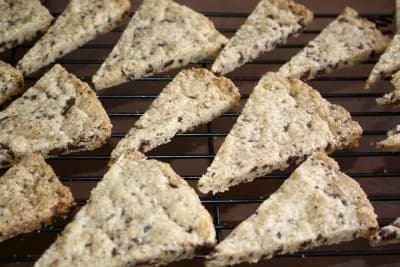
Lemon Rosemary Shortbread

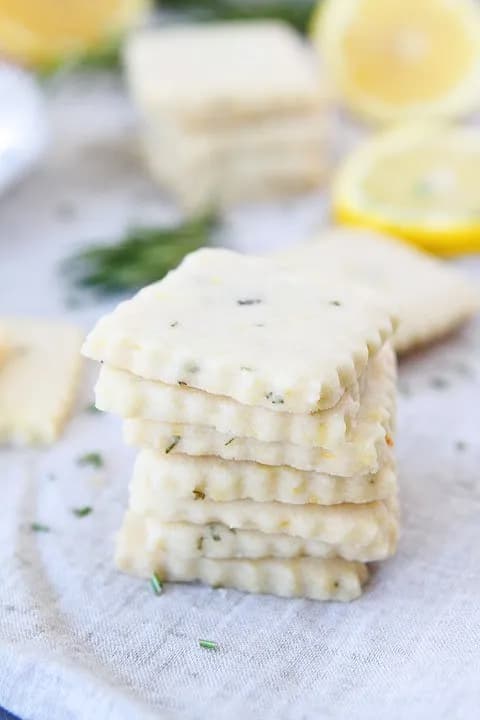
These lemon rosemary shortbread cookies are crisp, buttery, and perfect for afternoon tea. Easy recipe with just 8 ingredients. Bake a batch today!
A few more worth bookmarking: Shortbread Cookies or Pumpkin Chocolate Chip Bundt Cake.
How These Lemon Rosemary Shortbread Cookies Came to Be
Last summer my husband built a raised herb garden in our backyard. We planted rosemary among other herbs and flowers. When the snow finally melted this spring, I went outside to check on things and found the rosemary still alive and thriving. I snipped a few sprigs and went inside to tell him about our tough little plant. That same afternoon I used that rosemary to make a batch of lemon rosemary shortbread cookies. I brewed a cup of hot tea, skipped the frilly dress and white gloves, and sat down to enjoy the cookies. The combination of bright lemon and savory rosemary in a crisp, buttery cookie felt like the perfect way to celebrate the return of green things.
Why You’ll Love This Easy Shortbread Recipe
- The lemon and rosemary work together in a way that feels both fresh and familiar, the citrus keeps the butter from feeling heavy, and the herb adds a subtle savory note that makes you want another bite.
- These crisp buttery cookies come together with just eight ingredients and one hour of chill time. No complicated steps, no fussy decorating.
- They keep for a week at room temperature or freeze beautifully, so you can make them ahead for tea time cookies or holiday gift boxes.
Key Ingredients for Lemon Rosemary Shortbread
- Fresh rosemary, Mince it very fine so the flavor distributes evenly without large pieces. Dried rosemary won’t give the same bright, piney note, so stick with fresh if you can.
- Lemon zest, Use a microplane or fine grater to get just the yellow part. The oils in the zest carry most of the lemon flavor; the juice adds a little acidity but the zest does the heavy lifting.
- Unsalted butter, Shortbread relies on butter for its texture and taste. Let it soften to room temperature so it creams properly with the powdered sugar. Salted butter will make the cookies noticeably saltier, so if that’s all you have, reduce the added salt to a pinch.
Kitchen Tools for These Butter Cookies
- Stand mixer or hand mixer, for creaming the butter and sugar until smooth.
- Rolling pin, to roll the dough to an even 1/4-inch thickness.
- Cookie cutters, any shape you like; squares, rounds, or stars all work.
- Baking sheet lined with parchment paper or a Silpat, prevents sticking and helps the cookies brown evenly.
- Plastic wrap, to wrap the dough disk before chilling.
Tips for Making the Best Lemon Rosemary Shortbread
Chill the dough for at least a full hour, or longer if you have time. A well-chilled dough is much easier to roll and cut without sticking. If the dough feels soft after rolling, pop the cut cookies back in the fridge for 10 minutes before baking, this helps them hold their shape and keeps the edges clean.
When you roll the dough, use a light dusting of flour on your work surface and on the rolling pin. Too much flour will dry out the cookies, so go sparingly. Bake just until the edges turn a very light golden brown. Shortbread can go from done to overbaked quickly, and you want them pale and tender, not dark and crunchy.
Lemon Rosemary Cookie Recipe Variations to Try
Swap the rosemary for an equal amount of fresh thyme or lavender for a different herbal twist. Thyme pairs especially well with lemon, while lavender gives a floral note that works nicely with the butter. You can also replace the lemon zest with orange zest and use orange juice instead of lemon juice for a sweeter citrus version.
If you want a gluten-free option, substitute a 1-to-1 gluten-free flour blend that contains xanthan gum. The dough may be a little more delicate, so chill it well and handle it gently. For a dairy-free version, use a high-quality vegan butter stick (not tub margarine) and proceed as written, the texture will be slightly less crisp but still very good.
What to Serve with Lemon Rosemary Shortbread
These cookies are made for tea time. A cup of Earl Grey or chamomile brings out the lemon and rosemary without overpowering them. For a more indulgent pairing, serve them alongside a small glass of dessert wine or a cup of hot chocolate.
They also work well on a cookie platter next to darker, richer cookies like chocolate crinkles or ginger snaps, the light, buttery flavor provides a nice contrast. If you’re serving them as a dessert, a scoop of vanilla ice cream or a dollop of lemon curd turns them into something special.
How to Store Leftover Shortbread Cookies
Keep the baked cookies in an airtight container at room temperature for up to a week. Layer them between sheets of wax paper if you’re stacking them, so the edges don’t chip. Avoid storing them in the refrigerator, the cold air can dry them out and dull the buttery flavor.
Can You Freeze Lemon Rosemary Shortbread?
Yes, you can freeze either the baked cookies or the raw dough. For baked cookies, let them cool completely, then place them in a single layer in a freezer-safe container or bag with parchment between layers. They’ll keep for up to three months. Thaw at room temperature for about 30 minutes before serving.
To freeze the dough, shape it into a disk, wrap tightly in plastic wrap, then slide it into a freezer bag. It will keep for up to three months. When you’re ready to bake, thaw the dough in the refrigerator overnight, then roll and cut as usual. You may need to add a minute or two to the bake time if the dough is still cold.
Lemon Rosemary Shortbread FAQs
Can I use dried rosemary instead of fresh?
You can, but the flavor will be less bright and more woodsy. If you use dried, crush it well and use only about 1/2 teaspoon since dried herbs are more concentrated. The texture will also be slightly different, fresh rosemary stays a little tender, while dried can be a bit crunchy.
Why do I need to chill the dough for at least an hour?
Chilling solidifies the butter, which prevents the cookies from spreading too much in the oven. It also makes the dough firm enough to roll and cut cleanly. If you skip the chill or cut it short, the cookies may turn out flat and lose their defined edges.
Can I use salted butter and skip the added salt?
Yes, you can substitute salted butter. Omit the 1/4 teaspoon of salt in the recipe. The cookies will be slightly saltier, which some people enjoy as a contrast to the sweet lemon and rosemary. Just be aware that salted butter brands vary in salt content, so taste the dough if you’re unsure.
How do I prevent the cookies from spreading?
Make sure your butter is at room temperature but not too soft, it should hold a slight dent when pressed. Chill the dough thoroughly, and if the cut cookies feel soft, pop them in the fridge for 10 minutes before baking. Also, use a light hand with flour when rolling; too much flour can make the dough dry and cause uneven baking.
Can I make the dough ahead and bake later?
Absolutely. The dough can be refrigerated for up to three days wrapped tightly in plastic. You can also freeze it for up to three months. Just thaw overnight in the fridge before rolling and baking.
Recipe
Lemon Rosemary Shortbread
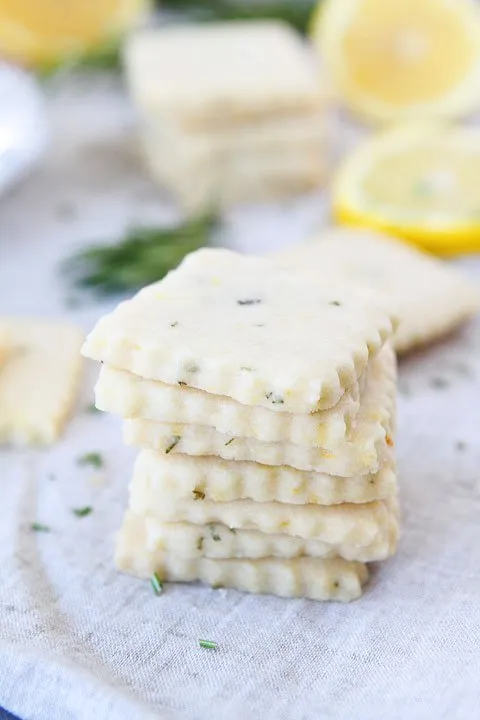
Lemon Rosemary Shortbread Cookies are the perfect cookie for afternoon tea or any time! We love these crisp and buttery cookies!
Ingredients
- 2 cup all-purpose flour
- 0.25 tsp salt
- 1.5 tsp lemon zest
- 1 tsp fresh rosemary, minced
- 1 cup unsalted butter, at room temperature
- 0.75 cup powdered sugar
- 1 tsp vanilla extract
- 1 tsp fresh lemon juice
Instructions
- 1
In a small bowl, whisk the flour, salt, lemon zest, and rosemary. Set aside.
- 2
In the bowl of a stand mixer, beat the butter and powdered sugar until smooth and creamy, about 3 minutes. Beat in the vanilla extract and lemon juice. Slowly add in the flour mixture and mix until just combined. Form the dough into a disk shape and wrap in plastic wrap. Chill the dough for at least 1 hour or until firm.
- 3
When ready to bake, preheat oven to 325 degrees F. Line a large baking sheet with parchment paper or a Silpat and set aside.
- 4
On a lightly floured surface, roll out the dough into a 1/4 inch thick square. Cut into squares, rounds, or shape of your choice using a lightly floured cookie cutter. Place shortbread cookies on the prepared baking sheet and bake for 10-12 minutes, or until cookies are very lightly browned around the edges. Remove cookies from baking sheet and cool completely on a wire rack.
- 5
Note-Shortbread cookies with keep in an airtight container for about a week or they can be frozen.
Nutrition (per serving)
Calorie breakdown
How this was calculated — 8 of 8 ingredients matched
Nutrition information is automatically calculated from USDA FoodData Central, so should only be used as an approximation. Actual values may vary depending on the ingredients, brands, and preparation methods used.
Open in analyzerKeyword: baking, cookies, lemon, Oven Baked, rosemary, vegetarian
This post may contain affiliate links. Read our disclosure policy.
Share this recipe
You Might Also Like
View All →



About the Author
NutriforksNutriForks is a home-cooking site built around two simple ideas: recipes should actually work, and you should know what’s in them. Every recipe pairs clear, tested instructions with a full nutrition breakdown, so healthy, everyday cooking is genuinely easy.