Gingerbread Bundt Cake

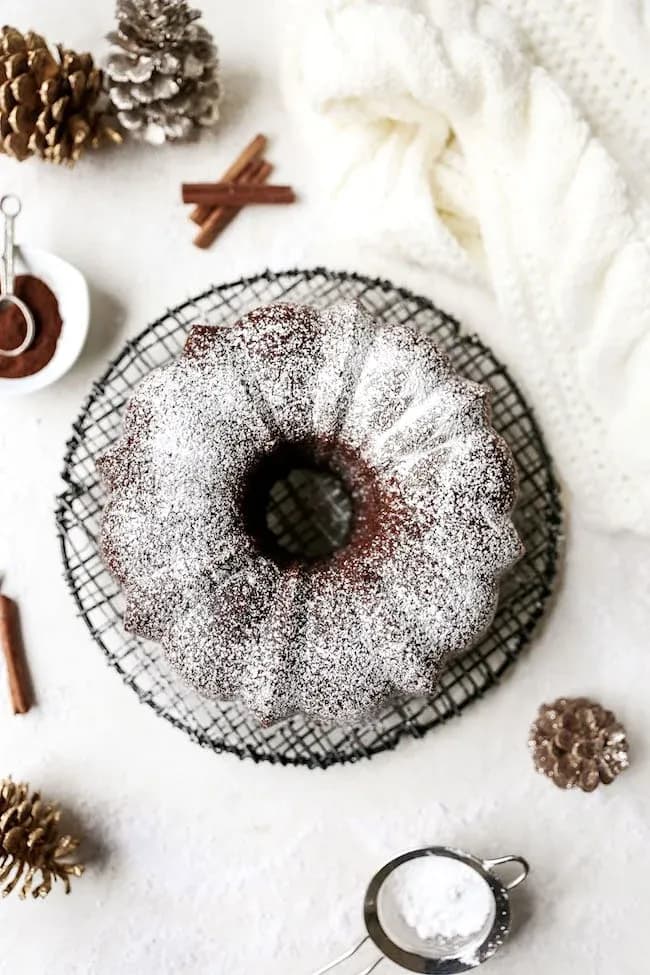
This easy gingerbread bundt cake is super moist and perfectly spiced with brown butter. A must-make holiday dessert! Get the recipe.
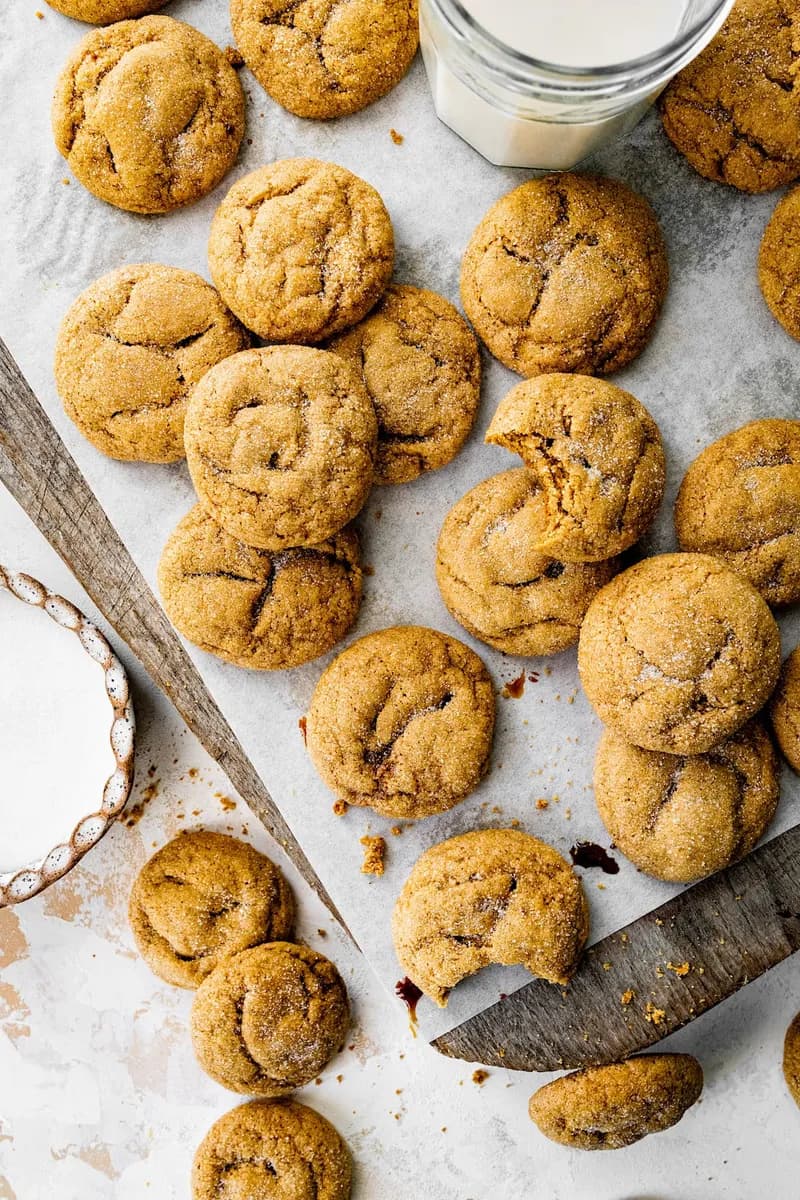
Another reason to love dessert: Chocolate Sour Cream Bundt Cake and Pumpkin Gingersnap Cookies.
Why This Moist Gingerbread Bundt Cake Stands Out
In winter, I always crave gingerbread. This gingerbread bundt cake brings that cozy spice flavor to the table. What sets it apart? Brown butter. It adds a nutty richness that pairs perfectly with molasses and warm spices. Plus, it’s incredibly moist thanks to buttermilk. If you think ginger and molasses are underrated holiday flavors, you’re not alone; they deserve just as much love as peppermint and pumpkin. This cake will change your mind.
Why You’ll Love This Easy Gingerbread Cake
- Brown butter gives the cake a deep, nutty flavor that enhances the gingerbread spices.
- Buttermilk keeps the crumb tender and moist for days.
- The batter comes together quickly in one bowl, so cleanup is simple.
Key Ingredients for Authentic Gingerbread Flavor
- Molasses: Use unsulphured light or dark molasses, like Grandma’s. Blackstrap is too bitter for this cake; it works better in savory dishes.
- Brown butter: Browning the butter deepens its flavor and adds a nutty note that complements ginger and cloves. Just watch it carefully to avoid burning.
- Buttermilk: It adds tenderness and a slight tang. If you don’t have buttermilk, you can sour regular milk with 1 tablespoon of lemon juice or vinegar per cup, then let it sit for 5 minutes.
Kitchen Tools for This Gingerbread Bundt Cake
- 12-cup Bundt pan, nonstick or well-seasoned cast aluminum works best
- Stand mixer or hand mixer for beating the butter and sugar
- Small saucepan for browning the butter
- Cooling rack for even cooling after inverting
Tips for the Best Gingerbread Bundt Cake
To get that tender crumb, be careful not to overmix the batter once you add the flour and buttermilk. Stir just until combined; a few streaks are fine. For the brown butter, watch it closely once it starts to foam. Small golden bits at the bottom mean it’s ready, and the aroma shifts from buttery to nutty. Remove it from the heat immediately to prevent burning. Also, make sure your Bundt pan is well greased, paying special attention to the crevices. I like using a baking spray with flour for the best release.
When testing for doneness, a toothpick inserted near the center should come out with a few moist crumbs, not wet batter. The cake will also start to pull away from the edges slightly. Let it cool in the pan for exactly 10 minutes before inverting; too soon and it might stick, too long and it could become soggy.
Variations to Try with This Gingerbread Recipe
If you want to change things up, fold in 1/2 cup of miniature chocolate chips for a touch of chocolate. For a festive finish, top the cooled cake with a simple cream cheese glaze instead of powdered sugar. You can also turn this into cupcakes; bake them for about 18-22 minutes in a lined muffin tin. For extra ginger kick, stir in 1/4 cup of finely chopped crystallized ginger with the dry ingredients.
How to Serve This Gingerbread Bundt Cake
A simple dusting of confectioners’ sugar is classic, but you can dress it up. Serve slices with a scoop of vanilla ice cream or a dollop of lightly sweetened whipped cream. For an extra touch, drizzle with caramel sauce. This cake also pairs beautifully with a cup of hot coffee or spiced chai tea.
How to Store Leftover Gingerbread Cake
Store the cake in an airtight container or tightly wrapped in plastic wrap at room temperature for up to 4 days. If your kitchen is warm, you can refrigerate it for up to a week; just bring slices to room temperature before serving to restore texture.
Freezing This Moist Gingerbread Bundt Cake
This cake freezes beautifully. Once completely cool, wrap it tightly in a double layer of plastic wrap, then a layer of aluminum foil. Freeze for up to 3 months. To serve, thaw in the refrigerator overnight or at room temperature for a few hours. Dust with fresh confectioners’ sugar before serving.
Best Way to Reheat Gingerbread Cake
If you prefer your cake warm, microwave individual slices for about 15-20 seconds. For larger portions, wrap in foil and warm in a 300°F oven for 10 minutes. This restores the moistness without drying it out.
Gingerbread Bundt Cake FAQs
Can I use salted butter instead of unsalted for browning?
Yes, you can. Just reduce the added salt in the dry ingredients by about 1/4 teaspoon to compensate for the salt in the butter.
What should I do if my cake sticks to the Bundt pan?
Make sure you grease the pan thoroughly, especially the intricate crevices. I recommend using a baking spray with flour. After baking, let the cake cool for exactly 10 minutes, then loosen the edges with a butter knife before inverting.
Can I use gluten-free flour in this recipe?
A 1-to-1 gluten-free flour blend should work, but the texture may be slightly different. I recommend adding 1/4 teaspoon xanthan gum if your blend doesn’t include it, and check the cake a few minutes earlier as gluten-free batters can overbake.
Is it necessary to brown the butter?
No, you can skip that step and just use melted unsalted butter. The cake will still be delicious, but you’ll miss the nutty depth that brown butter brings.
Recipe
Gingerbread Bundt Cake

This is the best gingerbread cake because it's easy to make, super moist, and perfectly spiced! The gingerbread flavor is perfect and the brown butter makes the cake extra special! A must make dessert for the holiday season!
Ingredients
- 0.5 cup unsalted butter, cut into tablespoon pieces
- 3 cup all-purpose flour
- 1 tbsp ground ginger
- 2 tsp ground cinnamon
- 1 tsp baking soda
- 0.5 tsp salt
- 0.5 tsp ground allspice
- 0.5 tsp ground cloves
- 0.25 tsp ground nutmeg
- 0.5 cup canola oil or vegetable oil
- 1.5 cup dark brown sugar, packed
- 1 cup molasses
- 4 large eggs, at room temperature
- 1 tbsp pure vanilla extract
- 1 cup buttermilk, at room temperature
- confectioners' sugar, for decorating
Instructions
- 1
Preheat your oven to 350 degrees and spray a 12-cup Bundt pan generously with non-stick baking spray or grease with butter and flour. Set aside.
- 2
Put the butter in a small saucepan and melt over medium heat. Once melted, crank up the heat to medium high. Continue stirring and look for small golden bits that will start to settle on the bottom of the pan. It will smell deliciously nutty and caramel-y. This should take around 3 to 5 minutes. Once this happens, take it off the heat and pour into a small, heat-safe bowl to cool a bit.
- 3
While the butter is cooling, whisk together the flour, ginger, cinnamon, baking soda, salt, allspice, cloves, and nutmeg in a medium bowl. Set aside.
- 4
In the bowl of your stand mixer, add the browned butter, oil, brown sugar, and molasses and beat on high speed until light and fluffy for about 3 minutes.
- 5
Next, beat in eggs one at a time and mix until well incorporated. Mix in the vanilla extract.
- 6
Add the flour mixture in three additions alternately with the buttermilk, starting and ending with the flour mixture. Mix just until just combined, don’t over mix.
- 7
Pour cake batter into prepared bundt pan and bake for 50-60 minutes or until a toothpick inserted into the center comes out mostly clean.
- 8
Remove cake from oven and allow to cool for 10 minutes. Carefully loosen the edges of the cake with a butter knife. Then invert the cake onto a cooling rack or serving plate, cool until room temperature and dust with confectioners’ sugar. Cut into pieces and serve.
Nutrition (per serving)
Calorie breakdown
How this was calculated — 16 of 16 ingredients matched
Nutrition information is automatically calculated from USDA FoodData Central, so should only be used as an approximation. Actual values may vary depending on the ingredients, brands, and preparation methods used.
Open in analyzerKeyword: bundt cake, cake, dessert, gingerbread, holiday, Oven Baked, vegetarian, winter
This post may contain affiliate links. Read our disclosure policy.
Share this recipe
You Might Also Like
View All →


About the Author
NutriforksNutriForks is a home-cooking site built around two simple ideas: recipes should actually work, and you should know what’s in them. Every recipe pairs clear, tested instructions with a full nutrition breakdown, so healthy, everyday cooking is genuinely easy.