Chewy Molasses Cookies

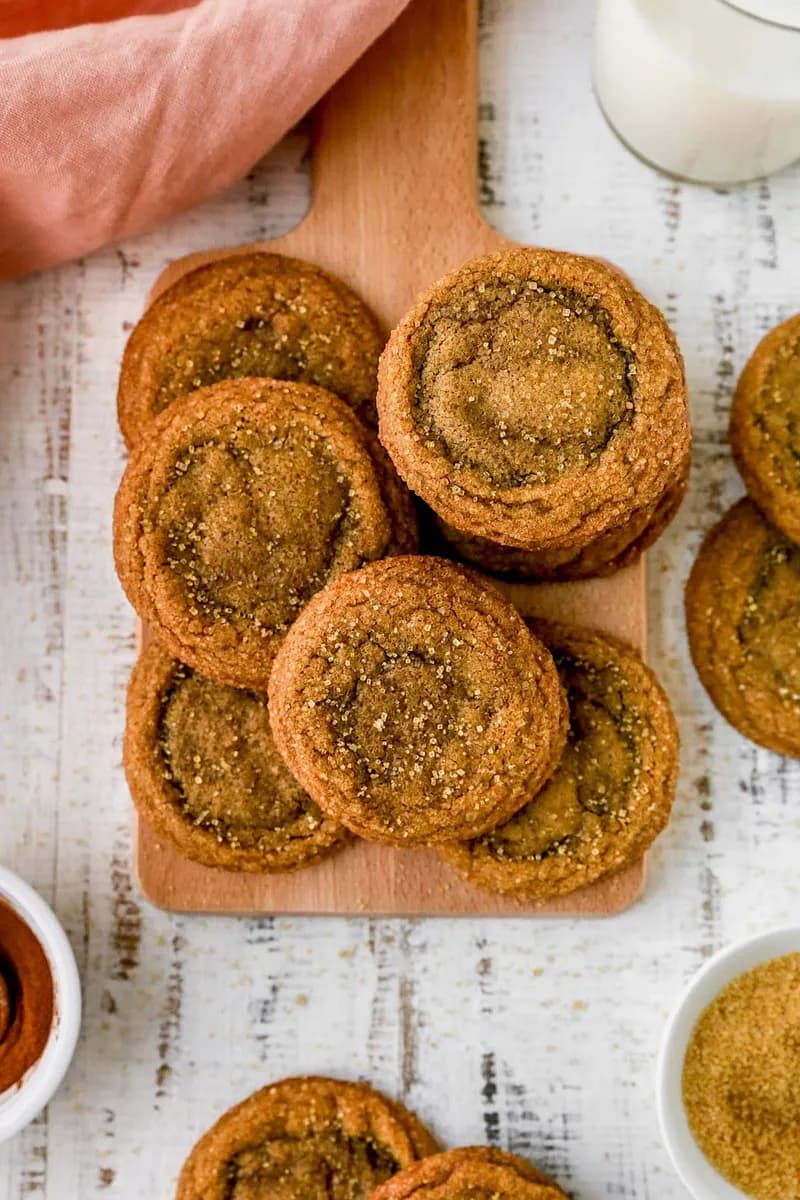
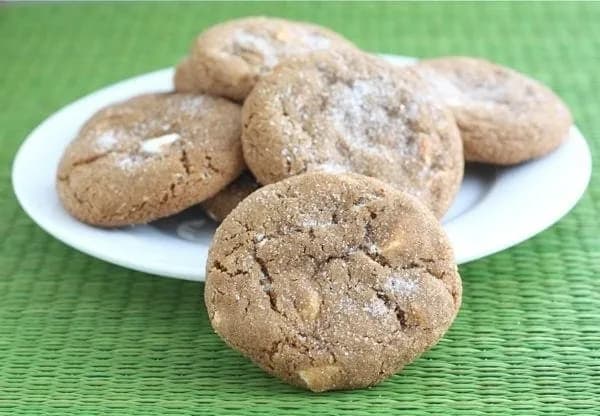
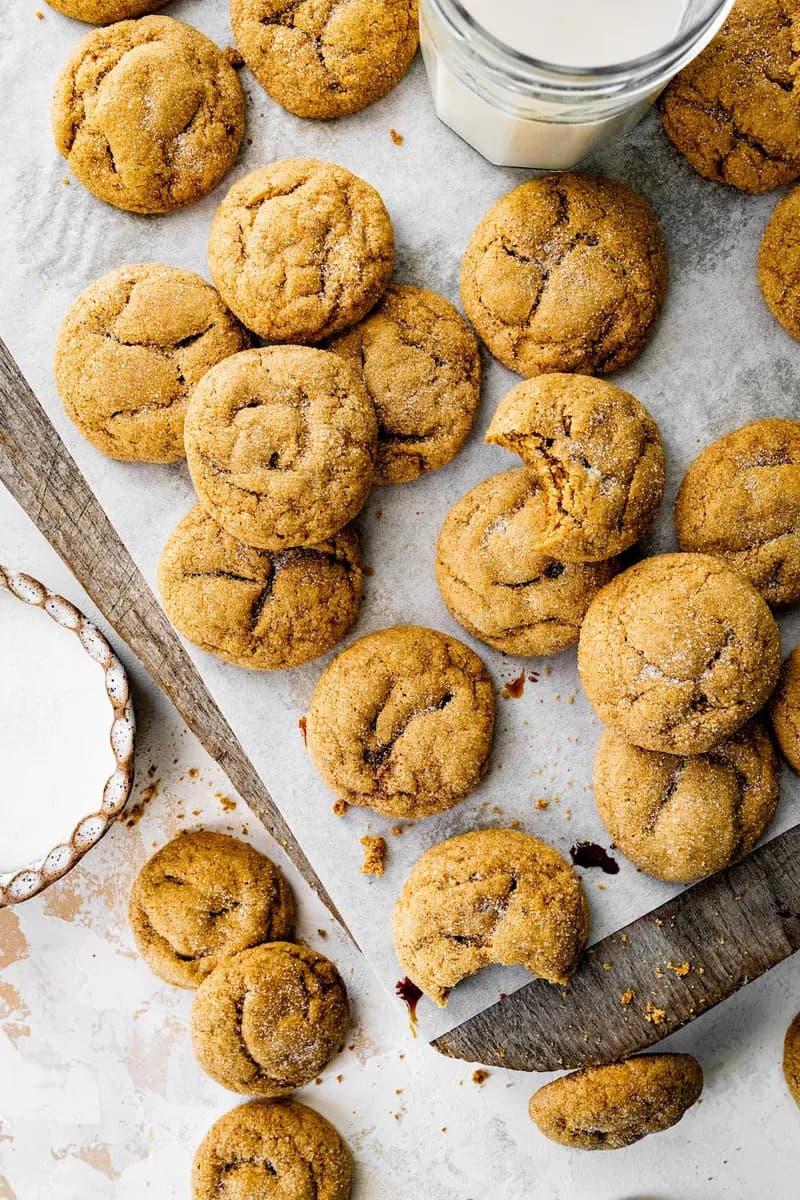
These chewy molasses cookies are soft, perfectly spiced, and coated in crunchy sugar. A holiday favorite that’s easy to make. Get the recipe now!
Similar recipes include Crispy Chocolate Chip Oatmeal Cookies or Oatmeal Cookies with White Chocolate and Dried Cranberries.
Why I Love These Chewy Molasses Cookies
I used to pass over molasses cookies on the holiday platter, but these chewy molasses cookies changed my mind. The combination of warm ginger, cinnamon, and cloves with the deep molasses flavor is irresistible. And the turbinado sugar coating adds a satisfying crunch that makes them stand out. They are my go-to spiced molasses cookies for Christmas cookie swaps and cozy winter afternoons.
Why You’ll Love This Molasses Cookie Recipe
- They are incredibly chewy thanks to melted butter and an extra egg yolk.
- The spice blend of ginger, cinnamon, and cloves gives them a warm, festive flavor.
- Rolling the dough in turbinado sugar creates a pretty, crunchy coating.
Key Ingredients for Authentic Chewy Molasses Cookies
- Unsulphured molasses: This is the key to the cookies’ deep, rich flavor. Do not use blackstrap molasses, which is too bitter. Look for unsulphured molasses in the baking aisle; it is made from sun-ripened cane and has a mild sweetness.
- Unsalted butter: Melted and cooled to room temperature. Using melted butter gives the cookies a chewy texture. If you only have salted butter, reduce the added salt to 1/4 teaspoon.
- Brown sugar: Light or dark brown sugar both work. Dark brown sugar adds a deeper molasses flavor. Pack the sugar firmly when measuring.
Kitchen Tools for Chewy Molasses Cookies
- Microwave-safe bowl for melting butter
- Medium mixing bowls for dry and wet ingredients
- Whisk for combining dry ingredients
- Electric mixer or wooden spoon for mixing (though melted butter makes it easy to mix by hand)
- Baking sheets
- Parchment paper or silicone baking mat
- Cookie scoop for uniform dough balls
- Cooling rack
Tips for Making the Best Chewy Molasses Cookies
Make sure the melted butter is completely cooled to room temperature before mixing it with the sugar and molasses. If it’s too warm, it can thin out the dough and affect the texture. When you add the dry ingredients, stir just until the flour disappears. Overmixing develops gluten and makes the cookies tough. For the chewiest results, bake the cookies just until the edges are set and the centers still look slightly soft. They will continue to set as they cool on the baking sheet.
Expert Tips for Perfect Ginger Molasses Cookies
Use a cookie scoop to portion the dough evenly so the cookies bake uniformly. If the dough feels sticky, you can chill it for 15 to 20 minutes to make it easier to handle. Roll the dough balls generously in turbinado sugar, pressing lightly so the sugar sticks. For a more pronounced molasses flavor, try using dark molasses instead of unsulphured, but avoid blackstrap as it is too bitter.
Why These Chewy Molasses Cookies Stay Soft and Chewy
The secret to the chewy texture lies in two ingredients: melted butter and an extra egg yolk. Melted butter coats the flour proteins, limiting gluten formation and resulting in a tender, chewy crumb. The extra egg yolk adds fat and moisture, which keeps the cookies soft. Additionally, the brown sugar’s molasses content helps retain moisture. These techniques ensure the cookies stay chewy for days.
Chewy Molasses Cookie Variations to Try
You can customize these cookies in several ways. Add 1/2 cup of finely chopped crystallized ginger for extra chew and a spicy kick. For a different coating, roll the dough in granulated sugar mixed with a pinch of cinnamon. If you need a gluten-free version, substitute the all-purpose flour with a 1:1 gluten-free baking blend. For a deeper molasses flavor, use dark molasses instead of unsulphured, but avoid blackstrap as it is too strong.
What to Serve with Chewy Molasses Cookies
These cookies are wonderful on their own, but they also pair beautifully with a cold glass of milk or a hot cup of coffee. For a holiday dessert board, arrange them alongside other Christmas cookies like snickerdoodles and peanut butter blossoms. They also make a great addition to a cookie gift tin.
How to Store Leftover Chewy Molasses Cookies
Store the cookies in an airtight container at room temperature for up to 5 days. They stay soft and chewy. If you live in a humid climate, you can add a slice of bread to the container to help maintain moisture. For longer storage, freeze them (see freezing instructions).
How to Freeze Chewy Molasses Cookies
You can freeze either the baked cookies or the unbaked dough. To freeze baked cookies, place them in a single layer in a freezer-safe bag or container, separating layers with parchment paper. Freeze for up to 3 months. Thaw at room temperature. To freeze the dough, scoop into balls, place on a baking sheet, freeze until solid, then transfer to a bag. Bake from frozen, adding a minute or two to the baking time.
Best Ways to Reheat Chewy Molasses Cookies
If you want to refresh the cookies, warm them in a low oven (around 300°F) for 5 minutes. This will restore some of the crisp edge and soft center. You can also microwave a single cookie for 10 to 15 seconds, but be careful not to overheat or it will become tough.
Chewy Molasses Cookies FAQs
What kind of molasses should I use for these cookies?
Use unsulphured molasses, not blackstrap. Unsulphured molasses is made from sun-ripened cane and has a mild, sweet flavor. Blackstrap is too bitter and will overpower the cookies.
Can I substitute blackstrap molasses?
I don’t recommend it. Blackstrap molasses has a very strong, bitter taste and will make the cookies dark and less sweet. Stick with unsulphured molasses for the best results.
Why does this recipe use melted butter instead of softened?
Melted butter creates a chewier texture because it coats the flour proteins and limits gluten formation. Softened butter would produce a more cake-like cookie. The extra egg yolk also adds moisture and richness.
How do I know when the cookies are done?
Bake until the edges are set and the centers look slightly soft and puffed. They will continue to bake on the hot baking sheet as they cool. Overbaking will make them dry and hard.
Can I make these cookies gluten-free?
Yes, you can substitute the all-purpose flour with a 1:1 gluten-free baking blend. The texture may be slightly different, but they will still be chewy and delicious.
Can I freeze the dough?
Yes, scoop the dough into balls, freeze on a baking sheet, then transfer to a freezer bag. Bake from frozen, adding 1 to 2 minutes to the baking time. No need to thaw.
Recipe
Chewy Molasses Cookies
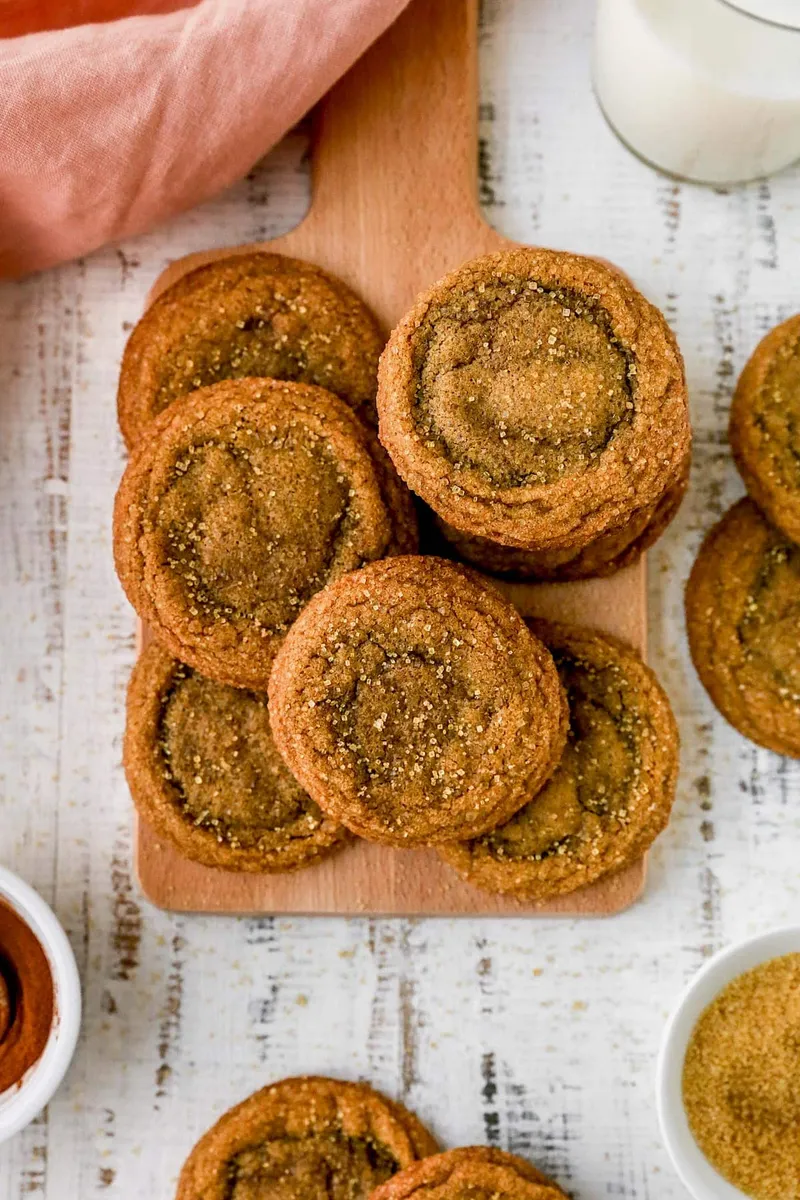
Chewy Molasses Cookies-these soft and chewy ginger molasses cookies are perfectly spiced and coated in pretty sugar for a slight sweet crunch. They are a holiday favorite, but good anytime of the year.
Ingredients
- 0.75 cup unsalted butter, cut into tablespoon pieces
- 2.333 cup all-purpose flour
- 1 tsp baking soda
- 1.5 tsp ground ginger
- 1 tsp ground cinnamon
- 0.5 tsp ground cloves
- 0.5 tsp salt
- 1 cup brown sugar
- 0.25 cup unsulphured molasses
- 1 egg, large
- 1 egg yolk
- 2 tsp pure vanilla extract
- turbinado sugar, for rolling the cookies
Instructions
- 1
Place the butter in a microwave safe bowl and melt for 45 to 60 seconds or until melted. You can also melt the butter on the stovetop. Set aside to cool to room temperature.
- 2
In a medium bowl, whisk together the flour, baking soda, ginger, cinnamon, cloves, and salt. Set aside.
- 3
In the
Nutrition (per serving)
Calorie breakdown
How this was calculated — 12 of 13 ingredients matched
Nutrition information is automatically calculated from USDA FoodData Central, so should only be used as an approximation. Actual values may vary depending on the ingredients, brands, and preparation methods used.
Open in analyzerKeyword: cookie, dessert, holiday, Oven Baked, vegetarian
This post may contain affiliate links. Read our disclosure policy.
Share this recipe
You Might Also Like
View All →


About the Author
NutriforksNutriForks is a home-cooking site built around two simple ideas: recipes should actually work, and you should know what’s in them. Every recipe pairs clear, tested instructions with a full nutrition breakdown, so healthy, everyday cooking is genuinely easy.