Broccoli Mac and Cheese

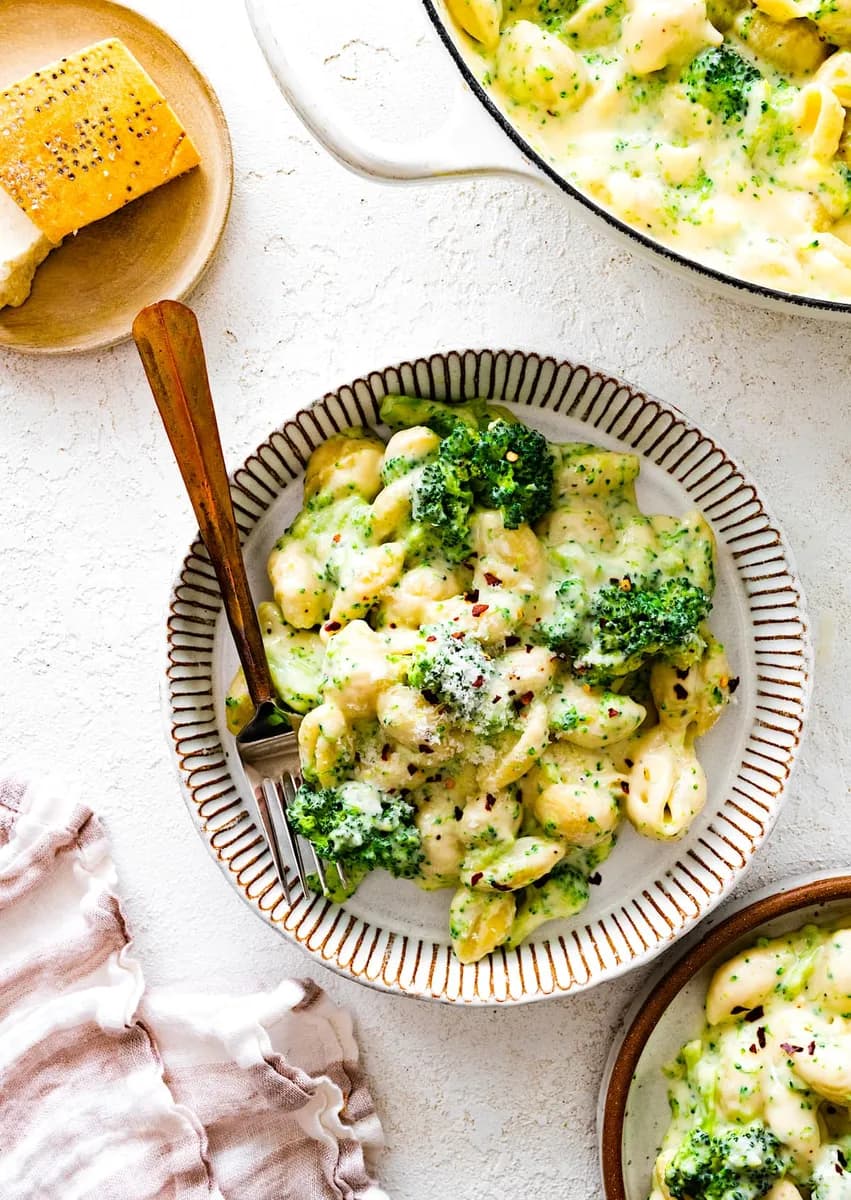
This creamy, cheesy broccoli mac and cheese takes less than 30 minutes to make. Enjoy for lunch, dinner, or serve as a side dish. Kids and adults love it!
Kid-friendly pairs well with Stovetop Avocado Mac and Cheese, Skillet Creamy Sweet Potatoes & Lentils, and Roasted Broccoli Grilled Cheese too.
Why This Creamy Broccoli Mac and Cheese Stands Out
Broccoli and cheddar are a natural pair, and this stovetop version lets you enjoy that combo in under 30 minutes. The sauce comes together with a simple roux, so it’s rich without being heavy. I like that I can serve it as a main dish with a salad or as a side next to grilled chicken. It’s the kind of meal that pleases everyone at the table.
Why You’ll Love This Broccoli Mac and Cheese
- It’s ready in about 30 minutes, all on the stovetop, no baking required.
- The broccoli blends right into the creamy cheese sauce, making it a sneaky way to add vegetables.
- The sauce is made from scratch with a roux, so it’s rich and smooth without any processed cheese.
Key Ingredients for Creamy Broccoli Mac and Cheese
- Whole milk gives the sauce a silky texture. Low-fat milk will work but won’t be as rich.
- Cheddar cheese, buy a block and grate it yourself. Pre-shredded cheese contains anti-caking agents that prevent smooth melting.
- Broccoli, fresh florets are best for texture. If using frozen, thaw and pat dry before adding.
Kitchen Tools for This Stovetop Mac and Cheese
- Large pot (at least 5 quarts) for boiling pasta and making the sauce
- Cheese grater for fresh cheddar
- Whisk for a lump-free roux
Tips for the Best Broccoli Mac and Cheese
Cook the pasta just until al dente, because it will soften a bit when mixed with the hot sauce. Add the broccoli during the last 3 minutes, you want it bright green and tender but still crisp. Reserve a cup of pasta water before draining; the starchy water helps the sauce cling to the pasta and can thin it if needed. For the creamiest sauce, use whole milk and grate your own cheddar from a block. Pre-shredded cheese has a coating that keeps it from melting smoothly.
Expert Tips for Perfect Cheese Sauce
The key to a smooth cheese sauce is the roux, cook the flour and butter together just until it forms a paste, then whisk in the milk gradually. Once the cheese goes in, keep the heat low and stir until it just melts; high heat can cause the proteins to seize and turn grainy. A pinch of mustard powder might seem odd, but it enhances the cheesy flavor without tasting like mustard. If the sauce gets too thick after adding the pasta, stir in a little of the reserved pasta water a tablespoon at a time until it loosens up. The starch in the water also helps the sauce coat each piece of pasta evenly.
Easy Ways to Change Up This Recipe
For a richer sauce, swap the whole milk for half-and-half. You can also mix different cheeses, white cheddar, fontina, gruyere, or smoked gouda all work well. If you don’t have fresh broccoli, frozen works in a pinch; just steam it before adding. To make it heartier, stir in cooked chicken, sausage, or bacon. A dash of hot sauce adds a nice kick, and a breadcrumb topping gives it a crunchy finish. For a gluten-free version, use gluten-free pasta and all-purpose gluten-free flour in the roux.
What to Serve with Broccoli Mac and Cheese
This mac and cheese is hearty enough to be a main dish, especially with a side of crusty bread or a simple green salad dressed with lemon vinaigrette. It also works well alongside grilled chicken, roasted pork chops, or even a juicy steak. For a lighter meal, pair it with steamed green beans or roasted asparagus.
How to Store Leftover Broccoli Mac and Cheese
Let the mac and cheese cool completely, then transfer it to an airtight container. It will keep in the fridge for up to 4 days. To reheat, warm it in the microwave or on the stovetop over medium-low heat, stirring often so it doesn’t stick. If it seems dry, add a splash of milk or reserved pasta water to bring back the creamy texture. I don’t recommend freezing this dish, because the cheese sauce can separate and the broccoli gets mushy.
Can You Freeze Broccoli Mac and Cheese?
I don’t recommend freezing this dish. The cheese sauce can separate when thawed, and the broccoli turns mushy. If you have a large batch, it’s better to store it in the fridge and eat it within a few days. For longer storage, consider making the cheese sauce and pasta separately, then freezing the sauce alone, but even then, the texture won’t be as good as fresh.
Best Way to Reheat Broccoli Mac and Cheese
The stovetop works best for reheating. Place the mac and cheese in a saucepan over medium-low heat, add a splash of milk or reserved pasta water, and stir gently until warmed through. The microwave is quicker: heat in 30-second bursts, stirring between each, and add a little liquid if needed. Avoid high heat, which can make the sauce grainy.
Broccoli Mac and Cheese FAQs
Can I use a different pasta shape?
Yes, any short pasta like shells, rotini, or cavatappi works. Just cook to al dente and adjust the broccoli addition time to match the pasta’s cooking time.
Why did my cheese sauce turn out grainy?
Grainy sauce usually happens when you add cheese to boiling liquid or use pre-shredded cheese. Keep the heat low after adding cheese and stir until just melted. Always grate your own cheese from a block.
Can I use low-fat milk?
You can, but the sauce won’t be as creamy. Whole milk gives the best texture. If using low-fat, consider adding a tablespoon of butter or a spoonful of cream cheese to compensate.
How can I make this dairy-free?
Use a plant-based milk like oat or unsweetened almond milk, and a vegan cheddar shred that melts well. Replace the butter with vegan butter or oil, and use a gluten-free flour blend for the roux.
Can I add other vegetables besides broccoli?
Absolutely. Cauliflower, peas, or diced bell peppers are great options. Add them during the last few minutes of pasta cooking so they soften slightly.
Recipe
Broccoli Mac and Cheese

This creamy, cheesy broccoli mac and cheese takes less than 30 minutes to make. Enjoy for lunch, dinner, or serve as a side dish. Kids and adults love it!
Ingredients
- 10 oz elbow macaroni
- 3 cup small broccoli florets
- 3 tbsp unsalted butter
- 3 tbsp all-purpose flour
- 2 cup whole milk
- 2 cup shredded cheddar cheese, shredded
- 0.5 tsp ground mustard powder
- 0.5 tsp garlic powder
- 1 tsp kosher salt
- 0.25 tsp black pepper
- parmesan cheese and crushed red pepper flakes
Instructions
- 1
Bring a large pot of salted water to a boil. Add the pasta and cook it just until al dente, according to package instructions. Add the broccoli to the pot during the last 3 minutes of the pasta’s cooking time. The broccoli is done when it's bright green and crisp-tender. Reserve 1 cup of the pasta water. Drain the pasta and broccoli and set aside.
- 2
Return the pot to the stovetop and melt the butter over medium heat. Turn the heat to low and whisk in the flour to create a paste. Whisk in milk until smooth. Turn the heat to medium and whisk until the sauce starts to thicken, about 3 to 5 minutes.
- 3
Stir in the cheddar cheese until it is melted into the sauce. Add the ground mustard, garlic powder (if using), salt, and pepper.
- 4
Add the drained pasta and broccoli and stir until well coated with the cheese sauce. If the sauce is too thick, add a little of the reserved pasta water and stir to combine.
- 5
Ladle into bowls and serve with freshly grated Parmesan cheese and crushed red pepper flakes, if desired.
Nutrition (per serving)
Calorie breakdown
How this was calculated — 11 of 11 ingredients matched
Nutrition information is automatically calculated from USDA FoodData Central, so should only be used as an approximation. Actual values may vary depending on the ingredients, brands, and preparation methods used.
Open in analyzerKeyword: kid-friendly, Skillet, vegetarian
This post may contain affiliate links. Read our disclosure policy.
Share this recipe
You Might Also Like
View All →



About the Author
NutriforksNutriForks is a home-cooking site built around two simple ideas: recipes should actually work, and you should know what’s in them. Every recipe pairs clear, tested instructions with a full nutrition breakdown, so healthy, everyday cooking is genuinely easy.