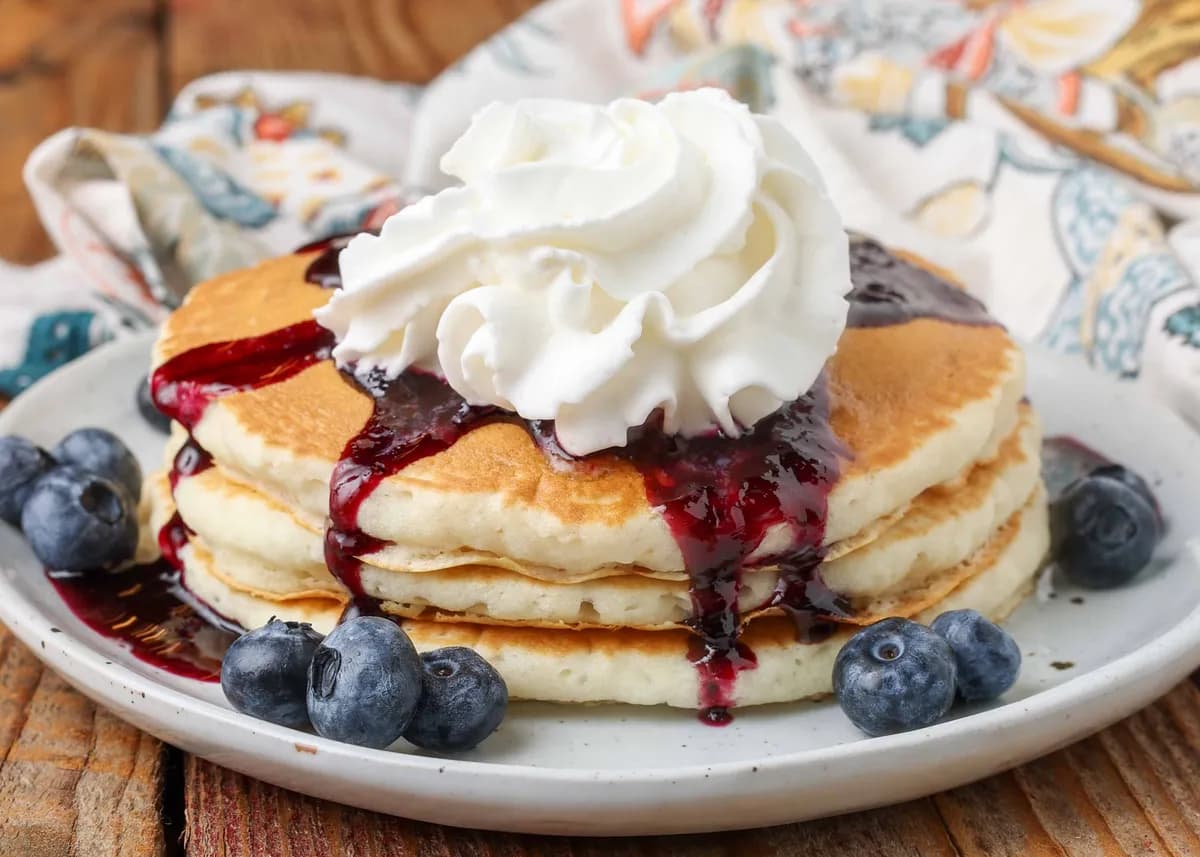

Learn how to make blueberry pancake syrup with 4 simple ingredients. This easy homemade syrup is vibrant, delicious, and perfect for pancakes or waffles. Try it!
The Three Stars of the Show
Blueberries: Fresh, plump berries give the brightest flavor, but frozen ones are a fantastic year-round substitute. Look for berries that are deep blue with a silvery bloom—that’s a sign of freshness. Avoid any that are mushy or leaking. Sugar: Plain white granulated sugar is your best bet here. It dissolves cleanly and doesn’t compete with the berry flavor. Brown sugar would add a molasses note that muddies the purple. Lemon Juice: This tiny addition is a game-changer. It balances the sweetness, preserves the vibrant color, and adds a subtle tang that makes the syrup taste more complex. Use fresh lemon juice—bottled stuff has a flat, metallic taste.
Gear Up for Syrup Success
You don’t need a fancy kitchen to make this syrup, but a few specific tools make all the difference. A medium saucepan with a heavy bottom (like stainless steel or enameled cast iron) distributes heat evenly and prevents scorching. A fine-mesh strainer is non-negotiable—it catches every seed and bit of skin, giving you that silky, restaurant-quality texture. A wooden spoon is ideal for gently pressing the berries without scratching your pan. And a heatproof spatula helps you judge the syrup’s thickness during the final simmer.
Tips for a Flawless Batch
When you press down on the berries with your wooden spoon, do it gently. You want to release the juices, not pulverize the seeds—those tiny buggers can add bitterness if they break open. After straining, watch the second simmer like a hawk. The syrup is ready when a spatula dragged across the bottom leaves a faint trail that fills in slowly. Overcook it and you’ll end up with a jammy mess instead of a pourable syrup.
The Secret to That Brilliant Purple Color
That splash of lemon juice isn’t just for brightness—it’s a color chemist in a bottle. Blueberries contain anthocyanins, pigments that turn a deeper, more vivid purple in acidic environments. I once skipped the lemon juice out of laziness and ended up with a sad, grayish syrup. Never again. For the most vibrant result, add the lemon juice after straining, when the syrup is still warm. Also, if you’re using frozen blueberries, you may need an extra minute or two of simmering because they release more water.
Four Ways to Switch It Up
- Vanilla Bean Dream:
Split a vanilla bean and toss it in with the berries. Remove before straining. - Cinnamon Spice:
Drop in a cinnamon stick during the boil—it’ll infuse a warm, cozy note. - Maple-Berry Twist:
Replace half the sugar with maple syrup for a deeper, earthier sweetness. - Chunky Country Style:
Skip the straining step entirely. You’ll get a rustic sauce with bits of berry that’s perfect over ice cream or yogurt.
How to Keep Your Syrup Fresh
Let the syrup cool completely to room temperature before transferring it to an airtight container—a glass jar with a tight lid works beautifully. Pop it in the fridge, and it will stay happy for up to two weeks. The color may deepen slightly over time, but the flavor will remain bright. If you see any mold, toss it immediately (though that’s rare if you’ve stored it properly).
Freezing for Future Pancake Mornings
Yes, you can freeze this syrup! Pour the cooled syrup into a freezer-safe container, leaving about an inch of headspace for expansion. Seal it tight and freeze for up to three months. When the craving strikes, thaw it overnight in the fridge or run the container under warm water for a quick defrost. Give it a good stir before using—the texture will be just as silky as the day you made it.
The Best Way to Warm It Up
To bring your chilled syrup back to pouring perfection, transfer the amount you need to a small saucepan and warm it over low heat, stirring occasionally. Add a teaspoon of water or lemon juice if it’s thickened too much in the fridge. You can also microwave it in 15-second bursts, stirring between each, but watch out for hot spots. Never boil it again—that can break the syrup’s silky texture and dull the color.
Your Blueberry Syrup Questions, Answered
Can I use frozen blueberries instead of fresh?
Absolutely. Frozen blueberries work perfectly—no need to thaw them first. Just add them straight to the pot and increase the initial simmer by a minute or two to account for the extra water they release.
Can I reduce the sugar in this recipe?
You can, but keep in mind that sugar does more than sweeten—it helps create the syrup’s body and acts as a preservative. If you cut it by more than a quarter, the syrup will be thinner and won’t keep as long. For a lower-sugar version, try using a sugar substitute like allulose, but the texture will be slightly different.
Why is my syrup too thin after cooling?
The most common culprit is not cooking it long enough after straining. That second simmer is where the syrup concentrates. Next time, cook until a spatula leaves a clear trail that slowly fills in. If you’ve already made it, you can re-simmer it for a few minutes to thicken it up.
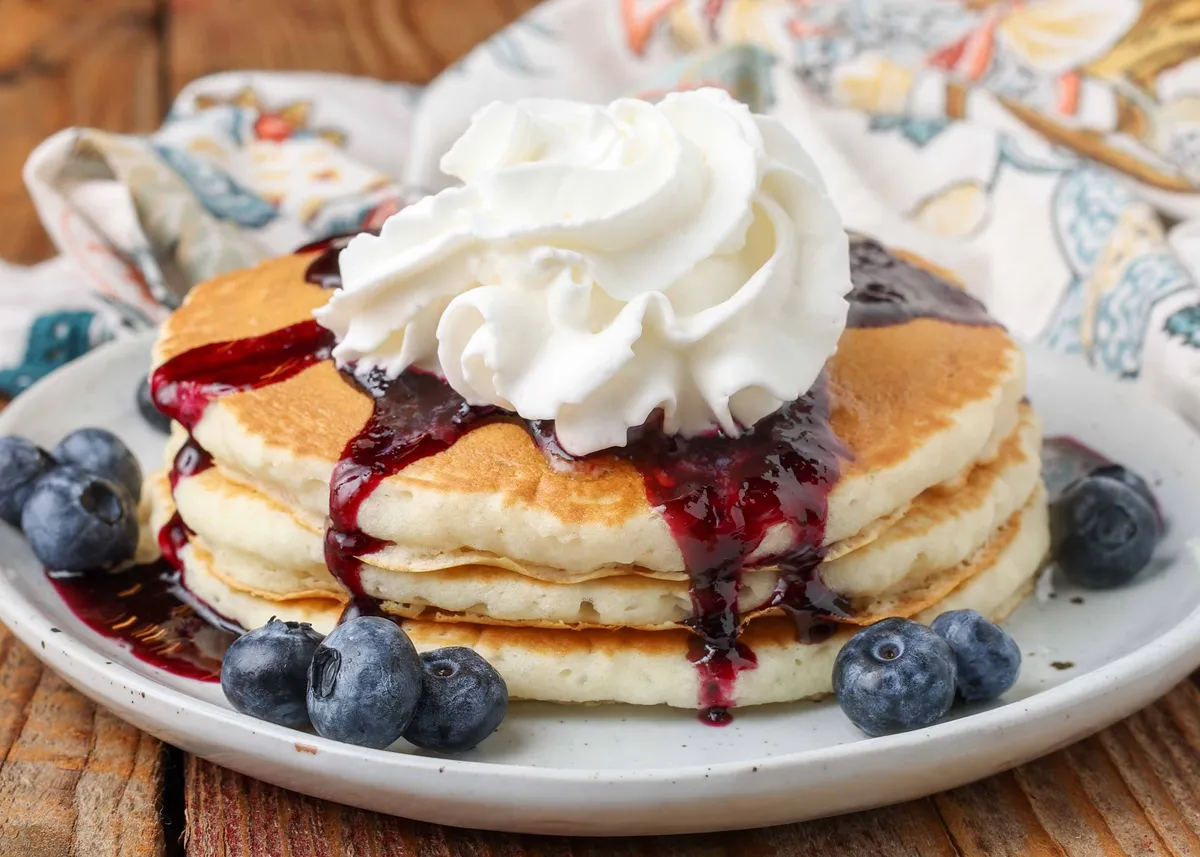
Blueberry Pancake Syrup
Ingredients
- 18 oz blueberries fresh or frozen
- 1 cup sugar
- 1 cup water
- 1 tsp fresh lemon juice optional
Equipment
- medium saucepan
- fine mesh strainer
- bowl
- wooden spoon
- spatula
- airtight container
Instructions
- Combine the berries, sugar, and water in a medium saucepan and bring to a boil.
- When the berries soften and begin to burst, reduce the heat to a simmer and press down gently on the berries with a wooden spoon as they burst. Continue cooking for 8-10 minutes, stirring occasionally, until the berries have broken down and the liquid turns deep purple.
- Remove the pan from the heat. Place a fine mesh strainer over a bowl and pour the blueberry mixture through it. After straining, discard the bits of cooked berries in the strainer. Add a tiny bit of lemon juice to the syrup now, if desired.
- Wipe out the saucepan and return the strained berry sauce to the pan. Continue cooking over a low simmer, while stirring constantly, for about 5 minutes, just until a spatula barely leaves a trace at the bottom of the pan. Take care not to overcook.
- Allow the syrup to cool completely before transferring it to an airtight container for storage in the refrigerator.
Share this recipe
You Might Also Like
Caesar Dressing
Cabbage, Potato and Sausage Soup
Cabbage and Corned Beef Hash
Cabbage Sausage Pasta
Cabbage Roll Soup

Buttermilk Waffles

About the Author
admin